
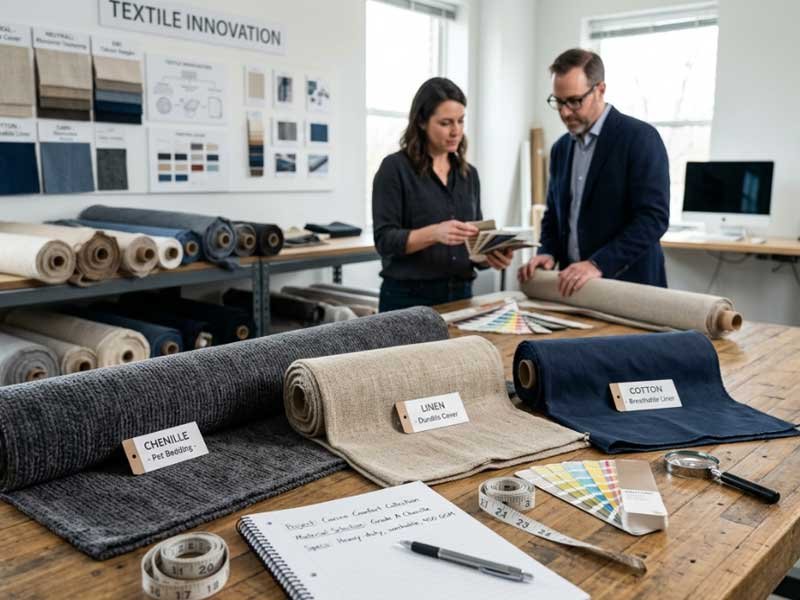
Over the years of handling product returns and analyzing buyer complaints, I’ve noticed something striking: certain materials consistently end up in the "failed products" category—not because they’re poorly made, but because cats simply refuse to use them.
Cats typically reject materials that feel unstable underfoot, generate static electricity, produce unexpected sounds, or lack proper claw grip. The most common problem materials include overly smooth synthetics like satin-finish polyester, slippery nylon fabrics, static-generating synthetic blends, and thin or loosely woven textiles that fail under kneading behavior.
When I look through our customer feedback files and return authorization requests, a clear pattern emerges: the materials that buyers select based on human perception often become the exact materials that drive product rejection. Understanding these failure patterns has become essential for anyone making material decisions in the pet supply procurement space.
Why do cats reject overly smooth synthetic fabrics?
We process dozens of return requests each quarter specifically tied to what buyers describe as "premium-feeling" fabrics—usually satin-finish polyester or tightly woven slippery nylon that looks elegant in product photos.
Cats avoid these smooth synthetics because they cannot maintain stable footing on the surface. When a cat steps onto a material that offers no claw grip or texture resistance, they experience what we see in customer videos as immediate rejection—the cat tests the surface, finds it unstable, and walks away.
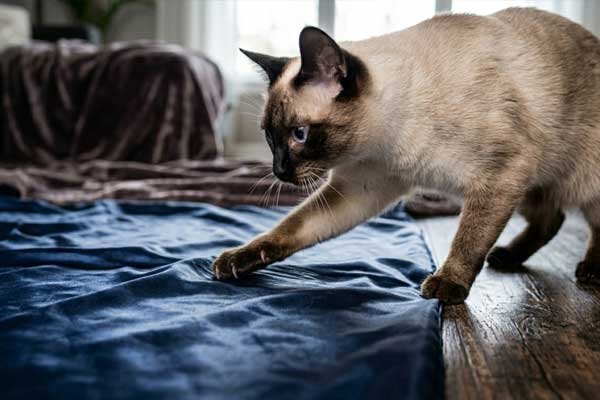
I’ve watched this play out countless times in buyer feedback. A distributor orders custom cat beds using what they describe as "luxurious satin-touch polyester" based on how soft it feels to human hands. The products arrive, look beautiful, and then sit unused because cats refuse to settle on them.
The operational problem here runs deeper than simple preference. When we examine returned products made from these materials, we find zero signs of use—no compressed padding, no shed fur embedded in fabric, no wear patterns. The cat literally never used the product beyond initial investigation.
From a material selection standpoint, this creates a specific decision trap. Buyers evaluate fabric samples by rubbing them between fingers, assessing softness and visual appeal. But cats evaluate surfaces by testing claw engagement and body weight stability. These are completely different assessment criteria.
Material Property Comparison
| Material Type | Human Perception | Cat Experience | Return Rate Pattern |
|---|---|---|---|
| Satin-finish polyester | Feels luxurious and soft | No claw grip, unstable footing | High (15-20% in our records) |
| Tightly woven nylon | Durable-looking, easy to clean | Slippery surface, poor traction | Moderate-high (10-15%) |
| Textured cotton blends | May feel rougher to touch | Adequate claw engagement | Low (under 5%) |
| Sherpa/fleece synthetics | Soft but less "premium" looking | Good grip, stable surface | Very low (2-3%) |
The cost implication matters for procurement decisions. That premium satin-finish fabric might cost 20% more per meter than textured alternatives, yet it generates three times the return rate. The math doesn’t support the upgrade.
When buyers ask me about fabric recommendations now, I walk them through our complaint database first. I show them the patterns. Products using smooth, slippery materials consistently underperform regardless of how appealing they look in the product catalog.
What makes static-generating materials problematic for cat products?
Every winter, we see a spike in specific types of complaints—buyers reporting that cats suddenly refuse to use products that worked fine during warmer months. The common thread? Static electricity.
Static-generating synthetics create unpredictable sensory experiences that cats associate with discomfort. When certain polyester blends or rigid plastics produce static shocks during normal use, cats develop immediate avoidance patterns that buyers interpret as product failure.
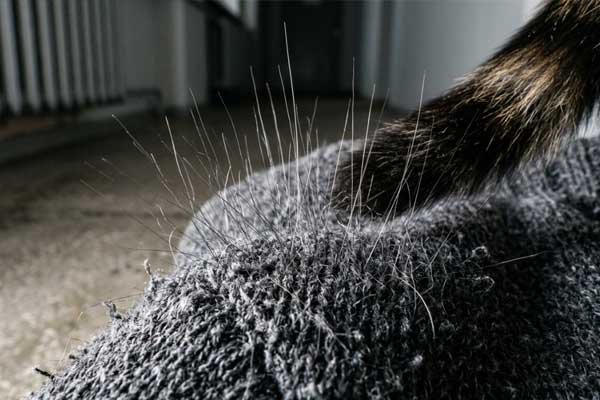
I remember one large order from a UK distributor—500 units of cat carriers using a particular polyester-nylon blend we’d sourced. The material tested well in our facility during summer production. But when the products reached customers during the British winter, the complaint emails started flooding in.
Buyers described cats refusing to enter the carriers, backing away from the opening, or showing visible stress responses near the product. When we requested video documentation to investigate the claims, we could actually hear the static crackling in several clips. The cats weren’t being difficult—they were experiencing actual physical discomfort from the material choice.
The material selection error here came from incomplete testing. The fabric performed well in our warm, humid production environment where static buildup was minimal. But in the dry, cold conditions of European winter, the same material became a static generator.
This taught me something crucial about material evaluation: environmental conditions matter as much as inherent material properties. A fabric that works perfectly in Qingdao’s coastal humidity might fail catastrophically in Denver’s dry climate.
From a procurement perspective, this means asking suppliers about anti-static treatments and testing materials under various humidity conditions. Some synthetic blends include permanent anti-static additives, while others rely on topical treatments that wash out or degrade over time.
I’ve also learned to pay attention to material combinations. Rigid plastic bases paired with certain synthetic fabrics create what I call "static amplification"—the two materials interact to produce more static than either would generate alone. We now avoid these combinations entirely in our customization projects.
Material Static Generation Risk
| Material Category | Dry Environment Behavior | Customer Complaint Pattern | Mitigation Options |
|---|---|---|---|
| Basic polyester blends | High static buildup | Sudden winter rejection | Anti-static treatment, humidity management |
| Polypropylene plastics | Moderate to high | Seasonal use decline | Material substitution, grounding design |
| Natural fiber blends | Minimal static | Rare complaints | No special measures needed |
| Treated synthetics | Variable (depends on treatment durability) | Increases over product lifetime | Regular re-treatment or replacement cycle |
The business impact of static problems extends beyond immediate returns. We’ve seen cases where a buyer’s entire product line gets negative reviews because one batch developed static issues. The damage to brand reputation outlasts the material cost savings that prompted the original material choice.
How does noise-producing material affect cat product acceptance?
This is perhaps the most overlooked material failure pattern I encounter. Buyers focus intensely on visual appeal and tactile softness, but they often ignore acoustic properties—until the returns start coming back.
Certain rigid plastics and stiff synthetic fabrics produce crinkling or rustling sounds during normal movement. Cats interpret these unexpected auditory signals as potential threats, leading to product avoidance that buyers describe as "sudden refusal to use."
I learned this lesson expensively through a customization project for a European brand. They wanted lightweight, packable cat mats using a specific ripstop nylon we’d successfully used in dog products. The material looked perfect, felt durable, and packed incredibly small.
The first production run shipped without issues. Then the feedback started: cats would approach the mat, step on it, and immediately jump off. Videos showed cats literally startling at the sound their own movement created on the material surface.
We hadn’t considered acoustic properties during material selection because the same fabric worked fine for dog beds. But dogs and cats evaluate environments differently. What a dog ignores, a cat may interpret as a warning signal.
When I examined the material more carefully, I could hear what the cats were reacting to—a subtle but distinct crinkling sound every time the fabric moved. To human ears, it’s barely noticeable. But watching the cat behavior videos, I could see the direct correlation: fabric moves, cat’s ears swivel toward the sound, cat exits immediately.
The material science behind this involves fabric structure. Tightly woven ripstop nylon uses a grid pattern of thicker threads that create small, rigid squares. When these squares flex against each other, they produce friction-based sound. The same principle applies to certain rigid plastics used in carrier bases or litter mat backing.
From a customization standpoint, this means acoustic testing needs to be part of material evaluation—especially for products where the cat’s movement will create material flexing or friction. We now literally step on material samples repeatedly while someone else listens for generated sound.
I’ve also noticed that noise problems compound over time. A material might be relatively quiet when new, but as plasticizers degrade or fabric coatings wear off, the acoustic properties change. Products that initially worked fine start generating complaints months after purchase.
Acoustic Material Issues
| Material Type | Sound Production Mechanism | Buyer Description Pattern | Design Workarounds |
|---|---|---|---|
| Ripstop synthetics | Thread grid friction | "Cat won’t stay on the mat" | Use softer weaves, add sound-dampening backing |
| Rigid plastic sheets | Flex creaking under weight | "Cat avoids entering carrier" | Switch to semi-rigid alternatives, add fabric lining |
| Coated fabrics (waterproof backing) | Coating layer movement | "Product worked initially, then rejected" | Use quieter coating materials, accept shorter waterproof lifespan |
| Paper-based filling materials | Compression crackling | "Cat seems scared of the bed" | Replace with silent fill alternatives like polyester fiber |
The cost-benefit analysis on acoustic materials gets interesting. That ultra-lightweight, packable ripstop nylon might reduce shipping costs by 30%, but if it generates 15% returns due to sound issues, you’ve lost money on the transaction.
I now tell buyers to physically test materials the way a cat would experience them—compress them, step on them, drag claws across them, and listen carefully. If you hear unexpected sounds during any of those actions, expect complaints.
Why do cats actively damage certain materials through normal behavior?
This represents a different type of material failure—not immediate rejection, but predictable destruction that buyers perceive as product quality issues. The pattern appears in our complaint logs as "cat destroyed the product" or "material fell apart within weeks."
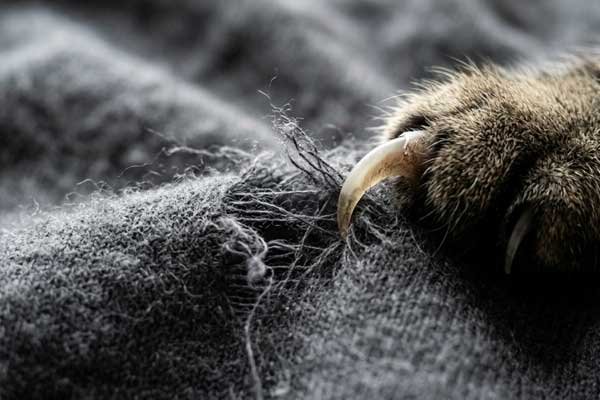
Cats test surfaces through kneading and scratching behaviors that exert focused force on small fabric areas. Materials that feel soft to human touch but lack structural integrity under point-force stress fail quickly, generating complaints that buyers often attribute to poor manufacturing rather than inappropriate material selection.
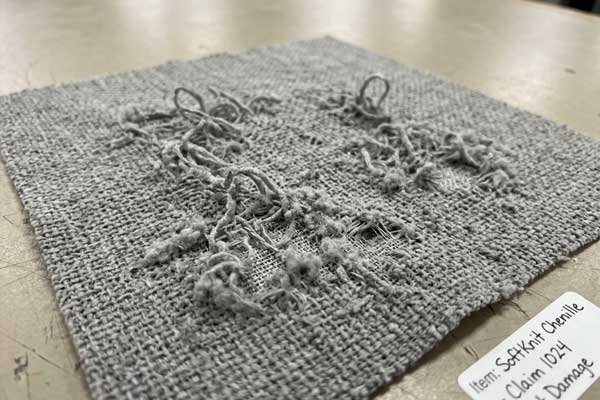
I see this failure pattern most often with thin or loosely woven materials that buyers choose specifically because they feel soft and comfortable. A distributor orders custom cat blankets using a loose-weave chenille fabric because it has an incredibly plush hand feel. The blankets arrive, look gorgeous, feel luxurious—and then develop holes and snags within the first week of use.
The buyer assumes manufacturing defect and requests replacement. But when we examine returned products, we find consistent damage patterns: pulled threads, claw-induced runs, separated weave structure. These aren’t manufacturing failures—they’re material selection errors.
The core issue involves understanding force distribution. When you press your palm against a fabric, you distribute force across a large surface area. When a cat kneads, they concentrate similar or greater force onto four or five small claw points. Materials that pass the "human touch test" often fail the "cat behavior test" because these are fundamentally different mechanical stress scenarios.
I’ve learned to evaluate fabric samples by literally digging my fingernails into them and attempting to pull threads. If I can easily snag or separate the weave structure, cats will definitely damage the material during normal use. This crude test has prevented countless material selection errors in customization projects.
The business consequence extends beyond returns. When buyers receive complaints about "poor quality" products that are actually experiencing predictable material failure, they lose confidence in the supplier. We’ve lost repeat business not because our manufacturing was defective, but because we didn’t push back strongly enough on inappropriate material choices during the order phase.
Material Durability Under Cat Behavior
| Material Construction | Human Perception | Cat Behavior Stress | Typical Failure Timeline |
|---|---|---|---|
| Loose-weave chenille | Extremely soft, luxurious | High snag risk, thread pulling | 1-2 weeks of use |
| Thin jersey knits | Comfortable, stretchy | Claw puncture, run formation | 2-4 weeks of use |
| Tight-weave canvas | May feel stiff initially | Excellent durability | Minimal issues over months |
| Sherpa/fleece (quality grades) | Soft, warm feeling | Good resistance to point stress | Low failure rate |
From a material cost perspective, this creates an interesting calculation. That loose-weave chenille might cost $8 per meter while a tight-weave canvas costs $12 per meter. But if the chenille generates 25% returns and replacement costs while the canvas generates under 5%, the canvas is actually the cheaper option per successfully delivered product.
I now include durability testing in all customization projects where cats will have direct prolonged contact with the material. We literally have samples that I’ve clawed at, pulled on, and stressed to simulate months of cat interaction. If the material shows significant damage from my testing, it won’t survive real-world use.
The education challenge with buyers involves shifting their evaluation criteria. They naturally evaluate materials based on how the products will look in marketing photos and how they’ll feel to customers’ hands. But the material needs to survive what cats will actually do to it—and cat behavior is often more mechanically destructive than human interaction.
What decision errors lead buyers to select materials cats will reject?
After processing hundreds of customization requests and analyzing years of return patterns, I’ve identified recurring decision-making errors that consistently lead to material failures. Understanding these patterns has become essential for guiding buyers toward successful product outcomes.
The primary error involves evaluating materials through human sensory perception rather than cat-relevant performance criteria. Buyers select fabrics based on softness, visual appeal, and tactile luxury—completely overlooking the material properties that determine whether cats will actually use the product.
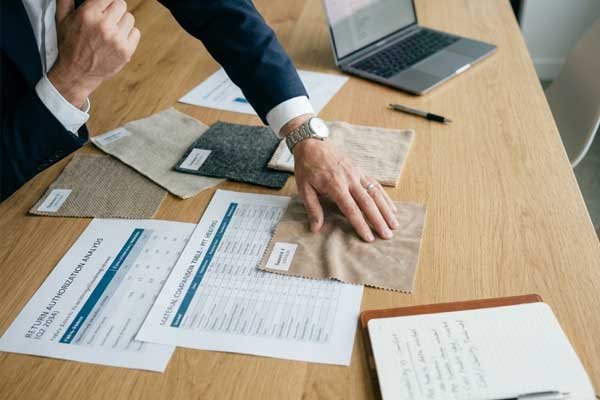
I see this pattern repeat across different buyer segments. An e-commerce seller ordering their first private-label cat bed requests "the softest possible fabric" without asking about claw grip or durability. A distributor specifies "premium satin finish" to justify higher retail prices, ignoring that cats will refuse to lie on the material.
The disconnect happens because buyers are thinking about their customers—the humans purchasing the product—rather than the end user—the cat who needs to actually interact with it. This makes perfect business sense from a sales perspective but creates operational problems when the product fails to function.
I’ve learned to ask specific qualifying questions during material selection discussions: "How will this material perform when a cat kneads on it? What happens to static buildup in dry climates? Does this fabric produce sound when the cat moves across it?" These questions force the conversation beyond aesthetic considerations.
Another common error involves trusting material descriptions without physical testing. A buyer sees "soft microfiber" in a supplier catalog and assumes it’s suitable for cat products. But "soft microfiber" describes dozens of different material constructions, some of which cats readily accept and others they immediately reject.
I now refuse to approve customization projects without physical material samples that I can test under simulated cat behavior conditions. This has prevented numerous expensive mistakes where buyers selected materials that looked perfect on paper but failed in real-world use.
Material Selection Error Patterns
| Common Buyer Decision | Underlying Assumption | Actual Cat Response | Business Consequence |
|---|---|---|---|
| "Select the softest fabric available" | Soft equals comfortable for cats | May reject if material is slippery or unstable | High return rate, negative reviews |
| "Choose premium-looking materials to justify price" | Visual appeal translates to value | Cats don’t evaluate visual aesthetics | Returns, brand damage |
| "Use same materials that work for dog products" | Dogs and cats have similar needs | Cats have different sensory sensitivities | Product line failure |
| "Minimize material cost to improve margins" | Savings will increase profitability | Cheap materials often fail durability tests | Returns exceed savings |
The education process with buyers has become a crucial part of our customization service. I walk them through our complaint database, showing specific examples of beautiful products that failed because of material choices. This visual evidence usually shifts their decision-making framework.
I’ve also developed what I call "material decision priority hierarchy" that I share with buyers: First, ensure the material won’t be rejected due to texture, static, or sound issues. Second, confirm it will survive normal cat behavior without rapid deterioration. Third, optimize for human perception factors like softness and appearance. Most buyers naturally invert this hierarchy, which is why they end up with rejected products.
The cost of these decision errors extends beyond immediate returns. When a buyer launches a product line using inappropriate materials, they often don’t realize the mistake until they’ve invested heavily in inventory, marketing, and distribution. By that point, correcting the material choice means writing off existing stock—a much more expensive lesson than listening to material guidance during the initial development phase.
Conclusion
Through years of processing returns and analyzing complaint patterns, the material failure patterns are unmistakable: cats predictably avoid or damage specific material types regardless of how appealing those materials seem to human buyers. Understanding these patterns before material selection prevents expensive mistakes and builds more successful product lines.