
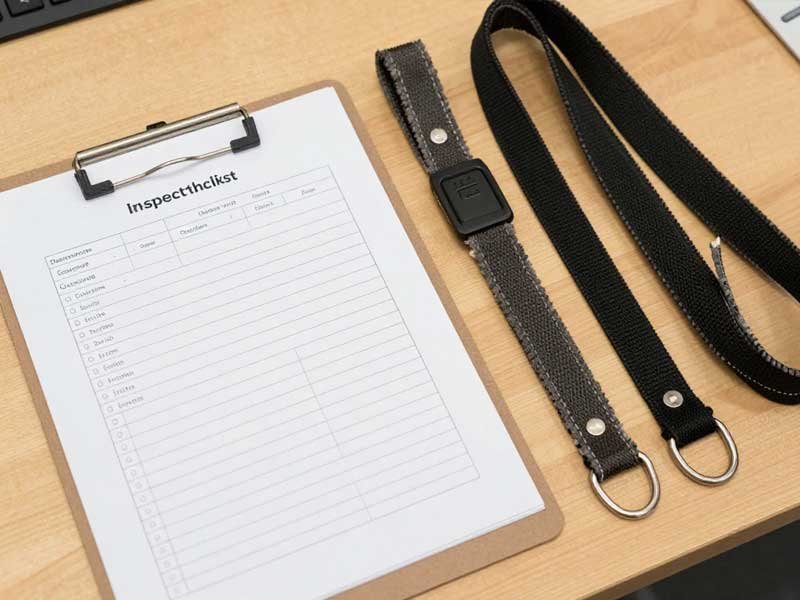
Ordering leashes in bulk without a sourcing checklist is how brands end up with 5,000 units of a product that fails at the stitch line. Poor quality dog leashes rarely fail because of one obvious defect — they fail because a supplier cut a corner somewhere between material sourcing and final assembly. I’ve seen this pattern from the factory floor, and it always traces back to a decision made before the order shipped.
Poor quality dog leashes typically show five warning signs: inconsistent webbing thickness, weak or uneven stitching, hardware that hasn’t been tested for batch consistency, missing or vague material spec sheets, and reliance on a single pull-strength test as "proof" of durability. Each sign points to a sourcing shortcut, not just a product flaw — and each one is checkable before mass production starts.
Most buying guides tell dog owners what to notice after a leash snaps. That’s not useful for a distributor placing a bulk order. Below, I break down what each sign actually means on the production side — and what you should be asking your supplier before you commit to a batch.
Why Does Webbing Thickness Vary Between Batches?
Buyers often approve a sample, then receive a bulk order that "feels different." This isn’t your imagination. Webbing thickness and density are two of the easiest specs to quietly downgrade once a price point is locked in.
Webbing thickness varies between batches when a supplier switches material grade or fiber density to hit a lower cost target after the sample was approved. This is one of the most common — and hardest to detect — shortcuts in leash manufacturing, because the visual difference can be minor while the strength difference is significant.
What’s Actually Happening in Production
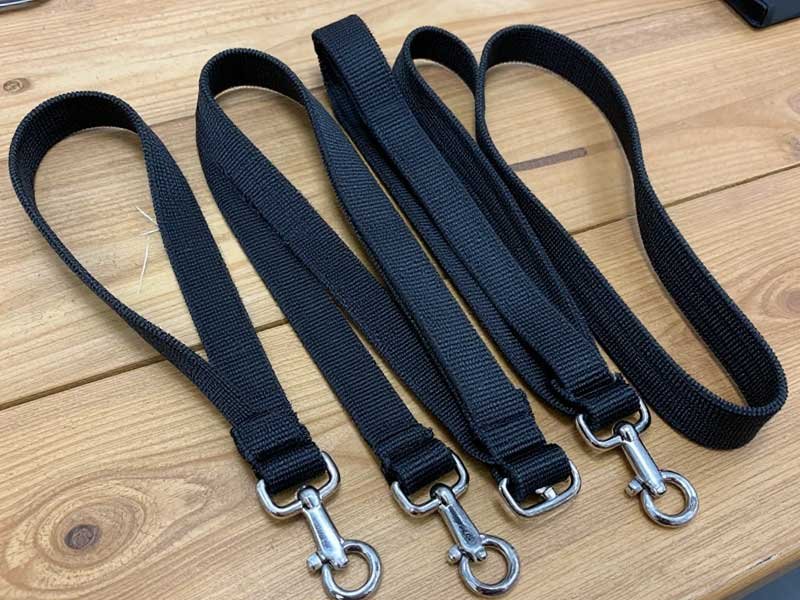
Nylon and polyester webbing come in different denier ratings and weave densities. A 1500D webbing and a 1000D webbing can look nearly identical off a spool, but they behave very differently under repeated load.1 In my experience, this is where the gap between "sample quality" and "bulk quality" opens up:
- Sample runs often use higher-grade stock pulled from a smaller batch, sometimes hand-selected.
- Bulk runs may switch suppliers mid-order for the raw webbing to save on cost or meet a deadline.
- Dye lots and fiber sources can shift between production runs without any change to the product photo or listing.
What Buyers Should Check
- Ask for a material spec sheet, not just a swatch. Denier rating, weave type, and fiber composition should be documented, not verbal.
- Request the same spec sheet be attached to the PO, so any deviation is a documented breach, not a surprise.
- Pull random samples from the actual production batch, not just the pre-production sample, before shipment.
A spec sheet doesn’t guarantee compliance. But it gives you a reference point to audit against — and a paper trail if the batch doesn’t match.
Why Does Stitching Fail Even When It Looks Fine?
A leash can look perfectly sewn and still fail at the seam within weeks. This is the sign that surprises buyers most, because visual inspection tells you almost nothing about stitch integrity under repeated stress.
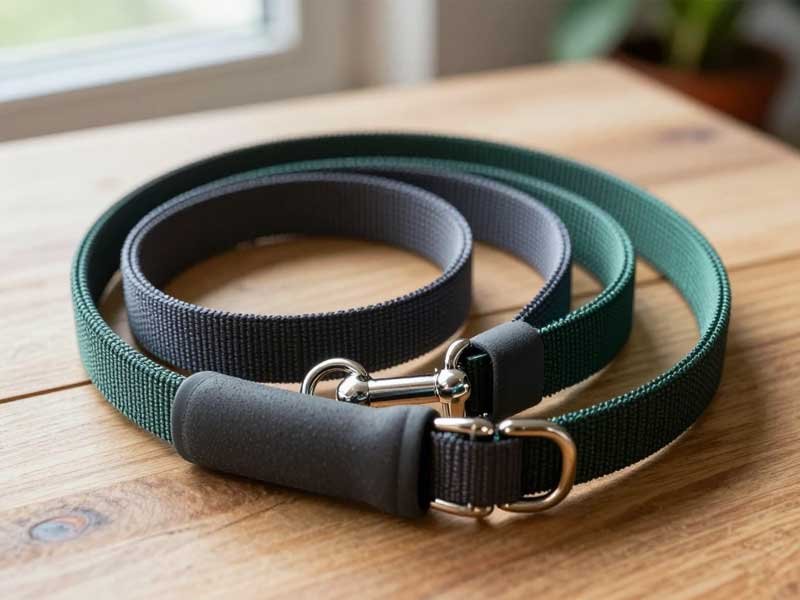
Stitching fails even when it looks fine because stitch density, thread tension, and stitch pattern matter more than surface appearance. A leash sewn with too few stitches per inch, or with a straight-line pattern instead of a box-stitch or bar-tack at load points, can look identical to a properly reinforced one — until it’s pulled hard.
The Failure Mechanism We See on the Floor
When a factory cuts corners on stitching, it’s rarely visible on day one. The failure shows up later, usually at one of three points:
- The handle loop — where daily load concentrates every time a dog pulls.
- The clip attachment point — where hardware and webbing meet and stress is highest.
- Any folded seam — where thread count drops if stitching speed is increased to cut labor time.
We’ve seen what happens when a stitch pattern is simplified to save machine time: a single straight stitch line instead of a box-X pattern at the handle. It holds in a quick pull test. It doesn’t hold after weeks of real use, because repeated stress works the thread loose at the same points, one fiber at a time.
What Buyers Should Check
| Check Point | What to Ask For | Why It Matters |
|---|---|---|
| Stitch density | Stitches per inch (SPI) spec | Low SPI = weaker seam under repeated load2 |
| Stitch pattern at stress points | Box-stitch or bar-tack confirmation | Reinforced patterns distribute load better3 |
| Thread type | Bonded nylon vs. standard polyester thread4 | Bonded thread resists abrasion and UV better |
Ask your supplier to photograph or video the stitch pattern at the handle and clip point specifically — not just a general product shot. If they can’t show it, that’s information too.
Why Do Leashes Pass a Pull Test but Fail in Real Use?
This is the sign that catches even experienced buyers. A supplier hands over a pull-strength test report, and it looks like proof of quality. It isn’t — not on its own.
Leashes pass a pull test but fail in real use because a pull test measures one variable — straight-line tensile strength — in isolation5. Real-world failure usually comes from repeated stress, twisting, abrasion, or hardware fatigue over time, none of which a single pull test captures.
Why One Number Doesn’t Tell the Full Story
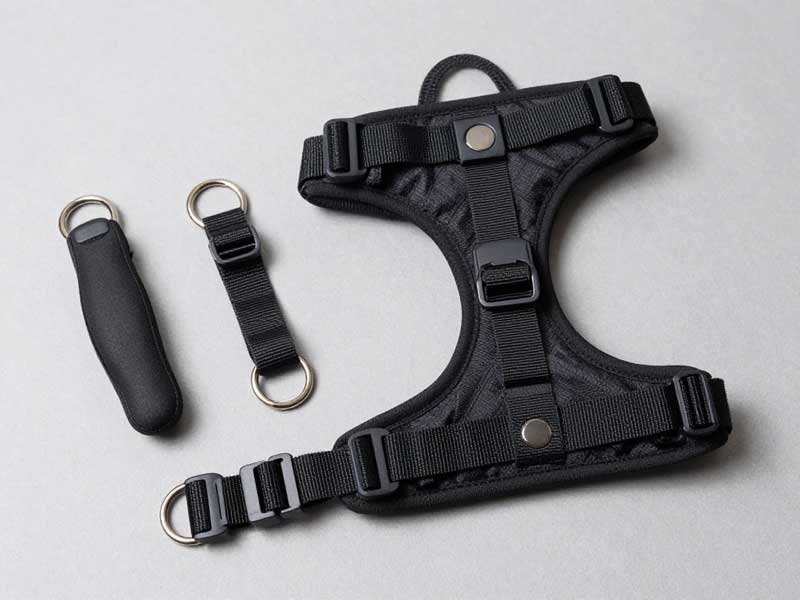
A pull-strength test report typically states a single tensile figure — for example, a claim that a leash withstands [to verify] lbs of static force before breaking. That number is useful, but limited:
- It doesn’t test repeated cyclical stress (a dog pulling and releasing hundreds of times per walk).
- It doesn’t test stitch fatigue — thread loosening gradually rather than snapping once.
- It doesn’t test hardware fatigue — a clasp that opens under sudden twist-and-pull, which is a different failure mode than straight tension.
- It doesn’t account for environmental exposure — UV degradation, moisture, or temperature swings during shipping and storage6.
Any certification or numeric tensile claim a supplier gives you should be treated as a document to verify, not a guarantee. Ask which standard the test followed, who conducted it, and whether it reflects the actual batch you’re ordering — not a reference sample from a different production run.
What Buyers Should Check
- Request the testing methodology, not just the pass/fail result.
- Ask if the test was conducted on the same material lot you’re ordering, or a reference sample.
- Treat pull-test reports as one input, and combine them with stitch and hardware review before approving a batch.
Why Does Hardware That "Looks Solid" Still Fail?
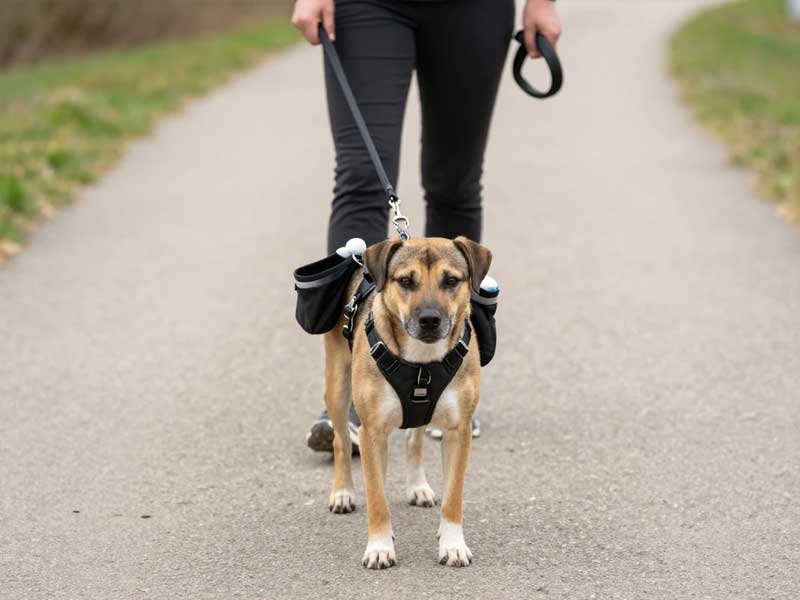
Metal clasps and D-rings are the part buyers trust most on sight — they look heavy, they look finished, they look strong. That trust is exactly why hardware failures catch distributors off guard mid-contract.
Hardware that looks solid can still fail because visual inspection doesn’t reveal internal metal quality, plating consistency, or spring tension inside a clasp mechanism. A clasp can look identical across a batch while the metal alloy, plating thickness, or spring tolerance varies enough to cause failures in only some units.
Where Batch-to-Batch Inconsistency Hides
Hardware is often the most overlooked part of a sourcing audit, because a sample clasp and a bulk-order clasp can come from the same die but different metal batches. In my experience, this is where inconsistency creeps in:
- Alloy substitution — a supplier may switch to a lower-grade zinc alloy mid-order without flagging it7, since the part still looks and feels similar.
- Plating thickness variance — thin plating passes a visual check but wears through faster, exposing base metal to corrosion.
- Spring tension drift — the internal spring in a trigger clasp can vary between manufacturing runs, weakening the snap mechanism over time.
- Weld or casting inconsistency — cast hardware is more prone to internal voids than forged hardware, though the difference is invisible externally.
A visual sample check tells you almost nothing about these variables. What actually helps:
- Request the hardware’s metal composition and plating spec, similar to a material spec sheet for webbing.
- Ask whether hardware is sourced from a single certified vendor across the full production run, or multiple vendors for cost flexibility.
- Pull hardware samples from mid-batch and end-batch, not just the first units off the line, to check for drift.
Why Do Buyers Miss These Signs Until After Mass Production?
The real problem isn’t that these five signs are hard to detect — it’s that most buyers check price and MOQ first, and treat material, stitching, and hardware consistency as secondary concerns to confirm later.
Buyers miss these signs before mass production because sourcing decisions are usually made on price, minimum order quantity, and a single approved sample — not on documented specs, batch audits, or production-stage inspection. By the time a quality issue surfaces, thousands of units are already made.
A Simple Framework Before You Commit to a Bulk Order
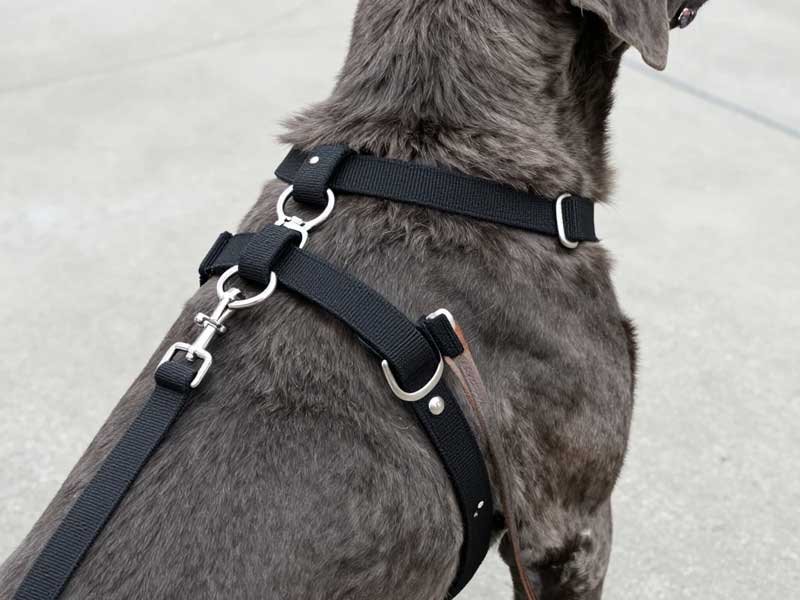
Instead of asking "is this leash good quality," I’d reframe the question as: does this supplier have documented consistency across material, stitching, and hardware — not just a good-looking sample?
A practical sourcing sequence looks like this:
- Request spec sheets for webbing, thread, and hardware — before approving a sample.
- Approve a sample against the spec sheet, not just on visual appeal.
- Request a pre-shipment inspection on a random selection from the actual bulk batch, not the original sample.
- Ask for stitch pattern documentation at load points specifically.
- Clarify test methodology for any tensile or durability claim, and flag unverified numbers rather than accepting them outright.
This shifts the relationship from "trust the sample" to "verify the batch." It’s a small process change that prevents a very expensive discovery six weeks after production.
Frequently Asked Questions
What is the most common cause of poor quality dog leashes?
The most common cause is a mismatch between the approved sample and the bulk production batch — usually caused by a material or hardware substitution made after the sample was signed off, in order to hit a lower cost target or faster deadline.
Is a pull-strength test enough to confirm leash quality?
No. A pull-strength test confirms one variable — straight-line tensile strength — but doesn’t capture stitch fatigue, hardware fatigue, or repeated-use stress. Treat it as one data point, and verify testing methodology and batch relevance before relying on it.
How can I check hardware quality before placing a bulk order?
Request the metal composition and plating specification, ask whether hardware comes from a single certified vendor for the full run, and pull samples from mid-batch and end-batch — not just the first units — to check for consistency drift.
Should I trust a supplier’s certification documents at face value?
Certifications and test reports should be treated as documents to verify, not confirmed fact. Ask which standard was used, who conducted the test, and whether it
-
"Weave structures of polyester fabric affect the tensile strength …", https://pmc.ncbi.nlm.nih.gov/articles/PMC11756394/. Textile engineering literature on denier ratings and fabric density indicates that higher denier fibers generally correspond to greater tensile capacity in woven webbing. Evidence role: mechanism; source type: research. Supports: That denier (fiber density) rating in woven textiles correlates with tensile and load-bearing performance.. Scope note: Such sources typically describe general textile properties rather than testing dog leash webbing specifically, so the connection to leash failure is inferential. ↩
-
"Effect of Different Sewing Parameters on Lockstitch Seam …", https://www.academia.edu/67471432/Effect_of_Different_Sewing_Parameters_on_Lockstitch_Seam_Strength_for_Denim_Fabric. Textile manufacturing guidelines identify stitches-per-inch as a controllable variable that influences seam strength and durability in sewn products. Evidence role: mechanism; source type: research. Supports: That stitch density (stitches per inch) is a recognized factor affecting seam strength in sewn textile products.. Scope note: Such guidelines are generally drawn from apparel or industrial textile contexts rather than pet product testing, so direct applicability to leash seams is contextual. ↩
-
"Bartack tearout strength: an entirely unscientific exploration", https://www.reddit.com/r/myog/comments/xz68uk/bartack_tearout_strength_an_entirely_unscientific/. Industrial sewing and textile assembly references describe bar-tack stitching as a reinforcement technique used at high-stress points to spread load across multiple thread passes. Evidence role: mechanism; source type: research. Supports: That reinforced stitch patterns such as bar-tacks are engineered to distribute stress across multiple stitch lines rather than concentrating it at a single seam.. Scope note: These references generally describe garment or webbing assembly practice broadly, not leash-specific load testing, so the magnitude of the strength difference is not quantified. ↩
-
"Nylon Vs Polyester Thread: Differences, Usage & More", https://blog.wawak.com/post/nylon-vs-polyester-thread. Industrial sewing thread specifications describe bonded nylon thread as having a protective coating intended to improve abrasion resistance relative to uncoated polyester thread. Evidence role: general_support; source type: research. Supports: That bonded nylon thread has different abrasion and UV resistance characteristics compared to standard polyester thread.. Scope note: These specification sheets are typically manufacturer-neutral technical descriptions rather than independent comparative testing, so relative performance under specific stress conditions is not directly measured. ↩
-
"Comparison of two methods of fatigue testing bone cement", https://pubmed.ncbi.nlm.nih.gov/19766742/. Materials testing standards distinguish static tensile strength testing, which measures breaking force under a single continuous load, from fatigue testing, which evaluates performance under repeated cyclical stress. Evidence role: definition; source type: government. Supports: That standard tensile (pull) testing measures static breaking force and is distinct from fatigue or cyclical stress testing.. Scope note: Standards bodies define these test categories generically for materials and textiles; they do not specifically evaluate dog leash products, so the claim is supported by analogy rather than direct product testing. ↩
-
"Synthetic Web Slings – Environmental Health & Safety", https://ehs.msu.edu/occ/hand-tools/synthetic-web-slings.html. Polymer degradation studies report that ultraviolet exposure and fluctuating humidity or temperature can reduce the tensile strength of nylon and polyester fibers over time. Evidence role: mechanism; source type: paper. Supports: That prolonged UV exposure and environmental variation cause measurable degradation in synthetic fiber tensile properties.. Scope note: These studies typically examine synthetic fibers in general or industrial contexts rather than leash webbing specifically, so degradation rates for consumer pet products are not directly established. ↩
-
"Zamak", https://en.wikipedia.org/wiki/Zamak. Metallurgical references on zinc die-casting alloys note that alloy composition affects mechanical strength, hardness, and corr Evidence role: mechanism; source type: research. Supports: That different zinc alloy grades (e.g., Zamak variants) exhibit varying mechanical strength and corrosion resistance.. ↩