
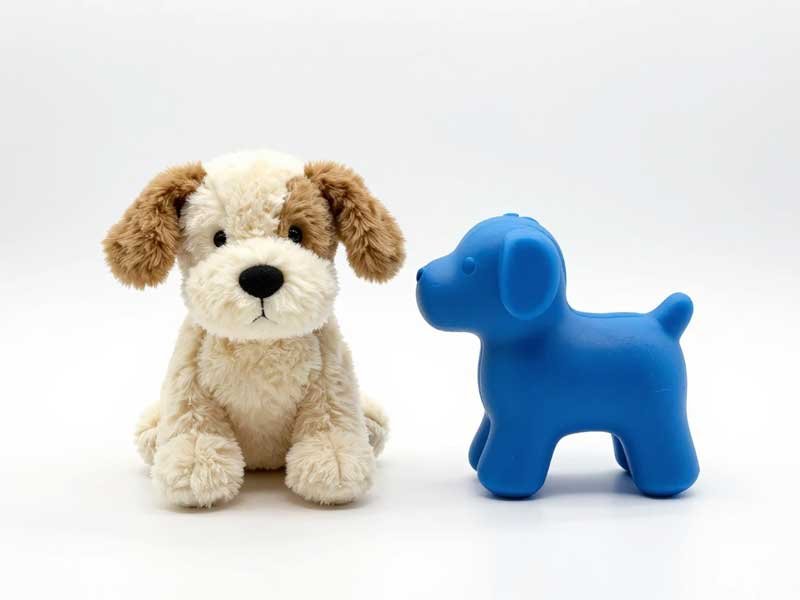
I get this question almost weekly from new Amazon sellers and emerging pet brand owners: "Should I start with plush toys or rubber toys?" The inquiry usually comes with a spreadsheet showing competitor sales estimates and a request for my "best-seller recommendation." Here’s what I’ve learned from watching dozens of clients make this decision—most of them are asking the wrong question. The real issue isn’t which toy category sells better overall. It’s which toy type matches your target customer profile, operational constraints, and profit model. A wrong choice here can lock you into months of slow-moving inventory or brutal return rates that destroy your margins before you even validate your brand positioning.
Neither plush nor rubber toys inherently "sell better." Plush toys compete on emotional appeal and repurchase frequency—they attract gift buyers and impulse purchasers who value novelty over longevity. Rubber toys compete on perceived durability and price anchoring—they appeal to value-conscious owners of aggressive chewers who prioritize cost-per-use over upfront price.1 The category that performs better for your business depends entirely on your target customer segment, cash flow constraints, and customer acquisition strategy. Sellers who pick a category by benchmarking competitors’ sales volume instead of analyzing their own operational model consistently underperform in their first year.
This isn’t about following market trends or chasing viral products. It’s about understanding the structural differences in how these two toy categories behave in your supply chain, pricing model, and customer retention workflow. I’ll walk you through the factors that actually determine profitability and sales velocity for each category—based on what I see in real client projects, not abstract market reports.
What Makes Plush Toys Different from Rubber Toys in Sales Performance?
Most sellers assume the difference is just material—soft fabric versus hard elastomer. That’s technically true but commercially useless. The real differences show up in customer decision-making behavior, repurchase timing, and inventory risk.
Plush toys sell primarily on emotional triggers: visual design, character appeal, and novelty. Rubber toys sell on functional promises: durability claims, dental health positioning, and problem-solving benefits. The buyer personas overlap less than you’d think—plush buyers often view toys as consumable accessories, while rubber toy buyers treat them as long-term investments that need to justify their higher price points.
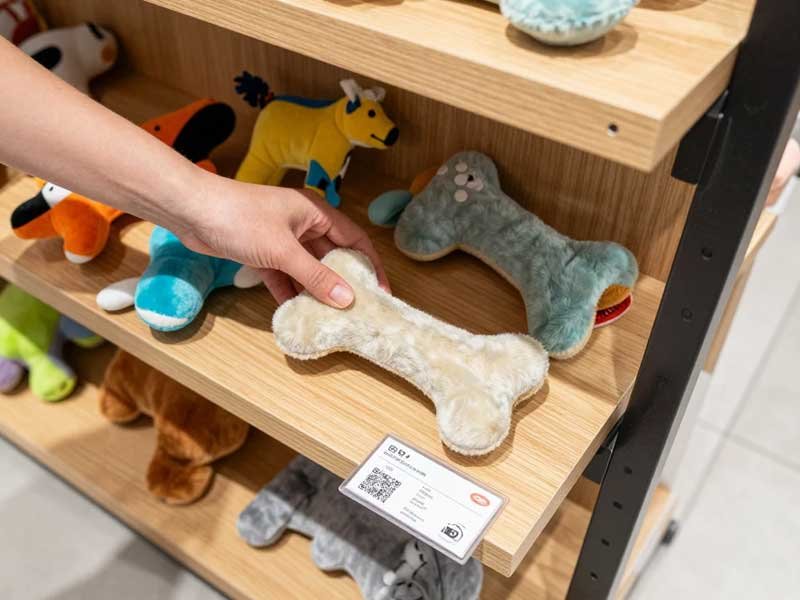
Plush toys attract impulse buyers browsing for gifts, seasonal items, or "cute" additions to their pet’s toy rotation. Their average decision time is shorter. They tolerate higher product turnover because they don’t expect a single plush toy to last six months. When a plush toy gets destroyed, many owners see it as normal wear—not a product failure. This mentality creates higher repurchase frequency but demands constant novelty in your product line.
Rubber toys attract analytical buyers comparing durability ratings, reading ingredient lists, and calculating cost-per-month of use. Their decision cycle is longer. They’re more likely to leave detailed reviews—both positive endorsements if the toy survives aggressive chewing and negative complaints if it fails within days. A rubber toy’s "durability" becomes a binary pass/fail test in customer perception, even though actual durability depends on matching hardness grade to specific dog bite force.
How Buyer Personas Diverge by Toy Category
Plush toy customers typically fall into three groups. First, gift buyers purchasing for someone else’s pet—they prioritize visual appeal and brand recognition over functional specs. Second, multi-toy households where owners rotate toys weekly and accept short lifespans. Third, owners of gentle chewers (puppies, senior dogs, toy breeds) who genuinely need soft toys for safety reasons2. None of these groups obsess over durability metrics.
Rubber toy customers split differently. Power chewers’ owners dominate this segment—they’ve already destroyed multiple plush toys and are explicitly searching for "indestructible" solutions. Then come dental-health-focused buyers who treat rubber toys as preventative care tools3. Finally, budget-conscious buyers who want one toy to last months instead of buying replacements. All three groups scrutinize materials, construction details, and long-term value.
Margin Structure and Hidden Costs
Plush toys usually carry lower unit margins in absolute dollars but faster inventory turnover. A $12 plush toy might cost you $3.50 landed, giving you $8.50 gross margin at full retail. But if it turns over every 18 days and generates minimal returns, your annualized margin velocity can exceed a slower-moving rubber toy.
Rubber toys command higher retail prices—often $18-$28 for a single item—but face higher production costs and longer sales cycles. A $20 rubber toy might cost you $6.80 landed, yielding $13.20 gross margin. That looks better until you factor in 45-day average inventory turns and 8-12% return rates from customers claiming "my dog destroyed it in two days." Replacement costs and negative review management eat into that margin fast.
Customer acquisition cost (CAC) differs too. Plush toys benefit from visual merchandising—a well-photographed plush lineup converts browsers without heavy ad spend.4 Rubber toys require educational content, comparison charts, and proof points to overcome skepticism. I’ve seen rubber toy sellers spend 40-60% more on CAC to achieve the same conversion rate as plush sellers in the same price tier.
Do Plush Toys Actually Have Higher Return Rates Than Rubber Toys?
This assumption appears in almost every new seller consultation. The logic seems intuitive: plush toys get destroyed faster, so customers must return them more often. Industry data shows the opposite pattern—when we track actual return reasons, not just return rates.
Plush toys generate lower return rates (typically 3-5% for well-designed items) because customers expect them to show wear over time.5 When a plush toy fails, owners usually discard it and buy another rather than processing a return. Rubber toys face higher return rates (7-12% in the durable/indestructible category) because customers purchase them with explicit durability expectations. A rubber toy that breaks within the first week triggers return behavior because it violated the core product promise.

The return reason codes tell the real story. Plush toy returns cluster around "wrong size" and "different than photo"—both preventable through better listing optimization. Rubber toy returns concentrate on "product defective" and "broke too easily"—much harder to prevent because they depend on matching product specs to individual dog behavior.
Why Durability Complaints Hit Rubber Toys Harder
Customers buying rubber toys have already mentally committed to a higher price point specifically for durability. When that expectation fails, they perceive it as a fundamental product defect rather than normal wear. This drives both returns and negative reviews. A one-star review saying "lasted three days" does more damage to a $22 rubber toy’s conversion rate than a similar review does to an $11 plush toy, because the price premium was justified entirely by durability claims.
I see this pattern repeatedly in client projects. A plush toy line with 4.3-star average ratings and 8% "destroyed quickly" complaints still maintains healthy conversion rates because buyers mentally categorize these as expected outcomes. The same complaint percentage on a rubber toy line labeled "indestructible" tanks conversion rates by 30-40% because it directly contradicts the core value proposition.
Material Durability Misconceptions
Here’s where buyer assumptions diverge from manufacturing reality: rubber toys are not automatically more durable than plush toys. Durability depends on structural design, material grade, and how well the product matches the specific dog’s bite force profile.
A poorly designed rubber toy with low-durometer (soft) material and thin walls will fail faster than a well-constructed plush toy with reinforced seams and ballistic nylon outer layers. But customers don’t understand durometer ratings or structural engineering—they just see "rubber" and assume indestructibility. This expectation gap creates the return rate problem.
Plush toys actually perform better when customers have realistic expectations. An owner buying a cute plush squeaker toy for their Labrador expects it to last maybe two weeks of active play. If it survives three weeks, they’re pleasantly surprised. An owner paying premium for a rubber toy expects months of use. Anything less feels like product failure.
Which Toy Type Fits First-Time Brand Builders Better?
Most new sellers pick their first product category by looking at competitor sales volume estimates on tools like Jungle Scout. This approach consistently produces mediocre results because it ignores operational fit and financial constraints.
Plush toys generally suit first-time brand builders better if they have limited cash flow, no existing customer base, and need fast inventory turnover to validate product-market fit. Rubber toys suit sellers who can afford longer inventory cycles, have budget for educational marketing content, and target a specific functional niche (dental health, extreme durability, puzzle/enrichment) rather than competing on general appeal.
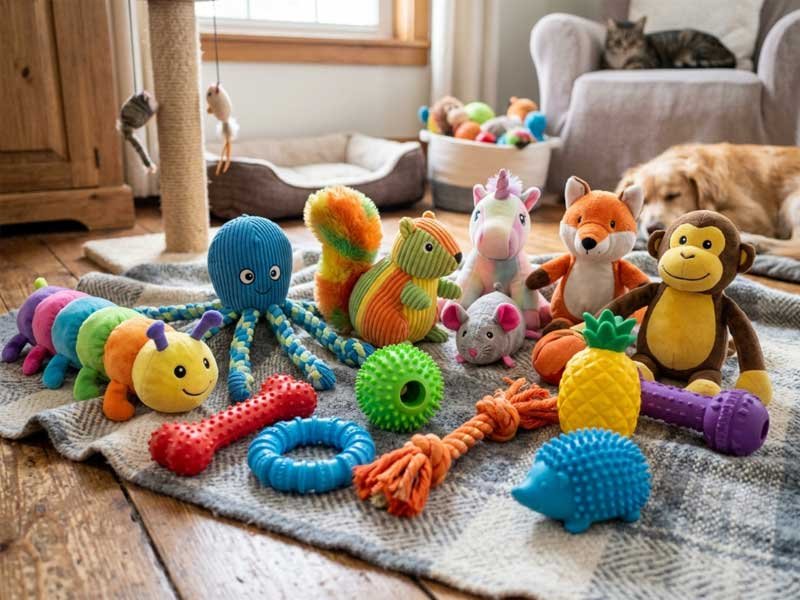
This isn’t about which category is "easier." It’s about honest assessment of your operational constraints and risk tolerance. A wrong category choice often stems from overestimating your ability to handle specific category challenges rather than the category itself being poor.
Cash Flow and Inventory Risk Considerations
Plush toys require lower minimum order quantities (MOQs) from manufacturers—often 500-1000 units per design versus 1500-3000 for molded rubber toys.6 Initial investment for a plush toy line might run $8,000-$15,000 for three designs including tooling. Rubber toys often start at $18,000-$28,000 for comparable development due to mold costs and material testing requirements.7
Plush inventory turns faster, releasing cash for reinvestment or product line expansion. A successful plush toy design might sell through initial inventory in 6-8 weeks during peak season. Rubber toys often take 12-16 weeks to validate, especially if you’re still building brand awareness and haven’t established durability proof points through review accumulation.
Storage and handling differ too. Plush toys compress for shipping, reducing per-unit storage costs at FBA warehouses or third-party logistics providers.8 Rubber toys ship in rigid packaging to prevent deformation, consuming more cubic storage space. For sellers operating on thin margins, these per-unit storage fees compound over time.
Marketing and Customer Education Requirements
Plush toys sell primarily on visual appeal and brand personality. Your main marketing investment goes into lifestyle photography, seasonal campaigns, and building brand recognition. Once customers know your brand, repeat purchases happen with minimal additional persuasion.
Rubber toys demand ongoing educational content—blog posts explaining hardness ratings, comparison videos testing durability, detailed sizing guides matching dog breeds to appropriate toy sizes. This content creates upfront costs but becomes a moat if done well. The problem for first-time sellers: you’re competing against established brands with years of accumulated content and reviews.
I see this play out in client launches. A new plush toy seller with strong visual branding can gain traction within 60-90 days. A new rubber toy seller in the "indestructible" category often takes 6-9 months to achieve similar sales velocity because they need time to accumulate verified purchase reviews proving their durability claims.
Customer Support and Complaint Handling Load
Plush toys generate straightforward support inquiries: sizing questions, color availability, care instructions. Resolution is usually simple, and most interactions are neutral or positive.
Rubber toys attract more complex complaints: "Why did this break when you said indestructible?" requires nuanced responses about matching products to specific dog behavior rather than universal solutions. You’ll spend more time on customer education and managing expectations—both pre-sale and post-purchase.
If you’re running a one-person operation or have limited customer service capacity, plush toys create less support burden per dollar of revenue. Rubber toys demand more sophisticated support systems and higher tolerance for negative feedback.
How Do Product Development Cycles Differ Between Plush and Rubber?
Most sellers underestimate how material choice affects your ability to iterate, test markets, and respond to customer feedback. Development speed and flexibility matter more than sellers realize—especially in your first year when you’re still validating product-market fit.
Plush toy development cycles run 25-35 days from approved sample to production shipment.9 Design changes cost relatively little—adjusting patterns, swapping fabrics, or modifying features requires minimal retooling. Rubber toy development takes 45-60 days minimum, and design changes after mold creation become expensive. This flexibility difference significantly impacts how fast you can respond to market feedback and test new product variations.
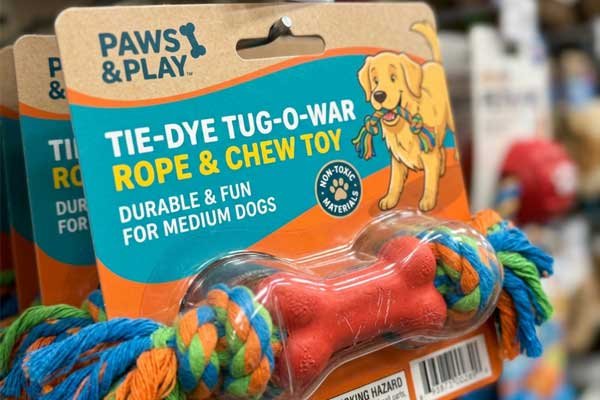
When a plush toy design underperforms, you can modify it for the next production run without major investment. When a rubber toy design fails, you’re often locked into that mold unless you’re willing to absorb $2,000-$4,000 in new tooling costs per design iteration.
Sample Development and Testing Speed
Plush toy samples arrive in 7-10 days and cost $50-$120 per design. You can test multiple design variations quickly, gather feedback from beta customers, and refine before committing to full production. I’ve seen sellers test five plush designs in the time it takes to validate one rubber toy design.
Rubber toy samples take 15-25 days due to mold creation for prototyping and require material testing to ensure consistent durometer and safety compliance.10 Sample costs run $200-$400 per design due to mold setup. This longer cycle means you need higher confidence in your design concept before committing to sampling.
Seasonal Product Rotation Capabilities
Pet toy market trends shift seasonally—holiday themes, summer outdoor toys, winter indoor enrichment. Plush toys let you capitalize on these trends because development speed supports 3-4 seasonal collection launches per year.
Rubber toys work better as evergreen products sold year-round because development timelines don’t support rapid seasonal pivots. This doesn’t make rubber toys inferior—it means your product strategy needs to focus on timeless functional benefits rather than trend-chasing.
I see sellers who chose rubber toys struggle when they try to compete with constantly refreshing plush collections. They’ve built a business model that demands product newness but selected a manufacturing category optimized for long production runs and stable designs. This mismatch creates constant stress.
Supply Chain Resilience
Plush toy production concentrates in specific textile manufacturing regions but benefits from relatively simple equipment requirements. If you need to switch manufacturers, pattern files transfer easily, and new factories can often match existing products with minimal retooling.
Rubber toy production depends on injection molding equipment and compound formulation knowledge. Switching manufacturers mid-product lifecycle is more complex because molds don’t transfer cleanly between facilities and material formulations vary. This creates higher switching costs and makes you more dependent on manufacturer relationships.
What About Market Saturation and Competition Levels?
Every seller worries about entering a "saturated" category. This concern usually reflects category analysis paralysis rather than real competitive disadvantage. Both plush and rubber toy categories show high competition, but competition structure differs significantly.
Plush toy categories face high product count but lower brand loyalty—customers regularly try new designs and switch brands based on visual appeal. Competition focuses on novelty, design uniqueness, and lifestyle branding. Rubber toy categories show fewer total products but higher customer lock-in once a brand proves durability. Competition centers on proof points, customer education, and building authority in specific functional niches.
Neither competitive environment is objectively easier. They reward different skillsets and business approaches. Plush sellers who can maintain design freshness and build lifestyle brands thrive. Rubber sellers who establish credibility in specific problem-solving categories capture loyal customer bases.
Differentiation Strategies by Category
Plush toys differentiate through design creativity, brand personality, and emotional positioning. You’re competing in a visual medium where uniqueness matters more than technical specifications. A plush toy line built around a compelling brand story or distinctive design aesthetic can carve out market position even in crowded subcategories.
Rubber toys differentiate through functional specialization and proven performance. Generic "durable rubber toys" face brutal competition. Rubber toys positioned for specific needs—dental ridges for tartar control, puzzle complexity for cognitive enrichment, size optimization for specific breed jaw structures—create defensible niches.
I consistently see new plush sellers succeed by owning a design aesthetic or character concept. I rarely see new rubber sellers succeed by launching "another indestructible ball." The successful rubber toy launches target underserved functional segments with specific problem-solving claims.
Price Competition Dynamics
Plush toy categories show wider price distribution—$8 impulse toys coexist with $25 premium character plushes. Customers accept price variation based on brand, size, and design complexity. This creates opportunities at multiple price points.
Rubber toy categories compress toward two price bands: budget options ($12-$16) and premium durability claims ($22-$32). The middle ground struggles because customers either want cheapest price for basic functionality or premium price as durability insurance. This bifurcation makes positioning more critical.
New sellers often position themselves in the middle—not cheap enough to win price-sensitive buyers but not premium enough to justify higher prices. This dead zone kills margins. Plush toys forgive this positioning error better than rubber toys because purchase decisions rely less on explicit value calculation.
-
"What Drives Pet Food Choices? A Systematic Literature Review", https://pmc.ncbi.nlm.nih.gov/articles/PMC12649392/. Consumer behavior research indicates that buyers of durable goods often employ cost-per-use calculations when evaluating higher-priced items positioned on longevity claims. Evidence role: mechanism; source type: research. Supports: that consumers evaluate durable goods using cost-per-use mental accounting rather than upfront price alone. Scope note: General consumer research may not specifically address pet product purchasing contexts ↩
-
"Hidden Hazards: A Guide To The Potential Dangers Of Pet Toys", https://vetmed.tamu.edu/news/pet-talk/pet-toy-dangers/. Veterinary organizations recommend selecting toys appropriate to a dog’s size, age, and chewing style, noting that puppies and senior dogs may have different dental vulnerability than adult dogs. Evidence role: expert_consensus; source type: institution. Supports: that toy selection should account for a dog’s age, size, and chewing behavior to prevent dental damage or choking hazards. ↩
-
"Effects of novel dental chews on oral health outcomes … – PMC", https://pmc.ncbi.nlm.nih.gov/articles/PMC7511057/. Veterinary dental research suggests that appropriate chewing activity may help reduce plaque accumulation in dogs, though effectiveness varies by product design and individual chewing behavior. Evidence role: mechanism; source type: research. Supports: that mechanical chewing action can contribute to dental plaque reduction in dogs. Scope note: Chew toys are considered supplementary to professional dental care rather than a replacement for veterinary dental treatment ↩
-
"The Role of Digital Photography in E-commerce", https://www.rmcad.edu/blog/the-role-of-digital-photography-in-e-commerce/. E-commerce research demonstrates that high-quality product imagery correlates with improved conversion rates, suggesting that visually-driven products may achieve lower customer acquisition costs through organic engagement. Evidence role: mechanism; source type: research. Supports: that product visual presentation significantly influences e-commerce conversion rates. Scope note: CAC varies based on numerous factors including competition, platform, and brand recognition beyond product category ↩
-
"Ecommerce Return Rates in 2026: The Metric That Actually …", https://www.richpanel.com/learn/ecommerce-return-rates. E-commerce return rate studies provide context for category-specific return patterns, though pet toy subcategory data remains limited in published research. Evidence role: statistic; source type: research. Supports: baseline return rate ranges for consumer products sold through e-commerce channels. Scope note: Published return rate data typically covers broad product categories rather than specific pet toy material types ↩
-
"Manufacturing Best Practices", https://www.cpsc.gov/business–manufacturing/business-education/business-guidance/BestPractices. Manufacturing industry guidance indicates that injection molding operations generally require higher minimum orders to offset tooling and setup costs compared to textile production. Evidence role: general_support; source type: institution. Supports: that injection-molded products typically require higher minimum order quantities than sewn textile products due to setup costs. Scope note: Actual MOQs vary significantly by manufacturer, product complexity, and negotiated terms ↩
-
"Injection Molding approximate costs : r/manufacturing", https://www.reddit.com/r/manufacturing/comments/16iwlt3/injection_molding_approximate_costs/. Manufacturing industry resources indicate that injection mold tooling costs vary widely based on complexity, with consumer product molds typically requiring substantial initial investment. Evidence role: general_support; source type: institution. Supports: that injection molding tooling represents a significant upfront investment in product development. Scope note: General manufacturing cost data may not reflect specific pet toy industry pricing or current market conditions ↩
-
"Monthly inventory storage fees", https://sellercentral.amazon.com/help/hub/reference/external/G3EDYEF6KUCFQTNM?locale=en-US. Amazon’s FBA fee structure and third-party logistics providers typically calculate storage costs based on cubic dimensions, creating cost advantages for products that can be compressed or packaged efficiently. Evidence role: mechanism; source type: institution. Supports: that fulfillment storage fees are calculated based on product dimensions, making compressible products more cost-efficient to store. ↩
-
"a study on lead time management in garments industry", https://www.academia.edu/145106488/A_STUDY_ON_LEAD_TIME_MANAGEMENT_IN_GARMENTS_INDUSTRY. Manufacturing process documentation indicates that sewn textile products typically require less production lead time than injection-molded items due to differences in tooling and setup requirements. Evidence role: general_support; source type: institution. Supports: that textile-based products generally have shorter production cycles than injection-molded products. Scope note: Lead times vary significantly based on manufacturer capacity, order volume, and supply chain conditions ↩
-
"CPSC’s Policy on Animal Testing", https://www.cpsc.gov/FAQ/CPSCs-Policy-on-Animal-Testing. The Consumer Product Safety Commission and voluntary standards organizations have established testing protocols for pet products, including material composition and durability assessments. Evidence role: definition; source type: government. Supports: that pet toys sold in the United States may be subject to safety standards and material testing requirements. Scope note: Pet toy regulations are less comprehensive than children’s toy standards, and compliance requirements vary by retailer ↩