
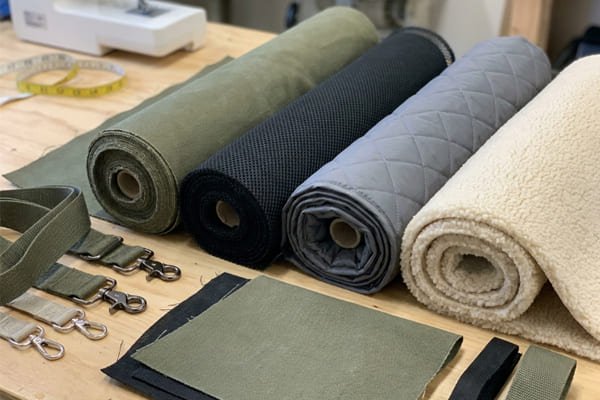
Every month I field inquiries from brands who want to add "eco-friendly" to their product descriptions. Most assume sustainability is a simple material swap—replace conventional fabric with recycled polyester, call it done. Then they hit the reality: biodegradable collars that won’t actually compost in their customers’ backyards, recycled fleece that pills after three washes, and certification timelines that blow past their product launch deadlines. Sustainable pet supplies manufacturing isn’t an eco-certification checkbox. It’s a material-performance-cost problem that requires matching environmental claims to actual use conditions, verifying degradation requirements, and planning around MOQs and testing cycles that conventional materials don’t demand.
Sustainable materials succeed or fail based on three verification gaps most buyers skip: matching material degradation conditions to actual disposal environments (industrial composting vs. landfills vs. home systems), confirming recycling sources and processing methods that affect both performance and environmental impact, and stress-testing material properties against product use cases before committing to minimum order quantities. Buyers who treat sustainability as a supplier checklist instead of a product engineering decision consistently underestimate costs, timelines, and performance trade-offs—leading to abandoned projects or market claims they can’t support.
I’ve watched promising sustainable projects collapse at the sampling stage because buyers selected materials for branding appeal without testing compatibility with their product category. A distributor wanted biodegradable waste bags—great concept, terrible execution when they discovered the bags needed industrial composting facilities their retail customers didn’t have access to. Another brand chose recycled nylon webbing for leashes without checking abrasion resistance, then couldn’t explain to their QC team why samples failed pull testing. The most successful sustainable orders I’ve completed came from clients who asked the uncomfortable questions upfront: What conditions does this material actually need to degrade? What’s the recycling source? How does performance compare to conventional options at my price point? Let me walk you through what those questions reveal—and why they matter more than any certification logo.
What Makes Pet Product Materials Actually Sustainable?
Sustainability sounds straightforward until you dig into definitions. I’ve received inquiries asking for "eco-friendly" materials where clients meant three completely different things: recycled content, biodegradable properties, or reduced production emissions. Those goals require different materials with different trade-offs.
Sustainable materials in pet supplies fall into three categories with distinct environmental mechanisms: recycled materials (post-consumer or post-industrial waste diverted from landfills), biodegradable/compostable materials (designed to break down under specific conditions), and bio-based materials (derived from renewable plant sources instead of petroleum). Each category addresses different environmental concerns and performs differently across product types. The sustainability claim depends on verifying the specific mechanism—not just accepting a supplier’s "green" label.
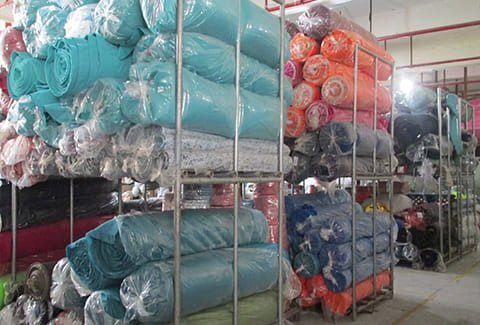
Recycled Materials: Post-Consumer vs. Post-Industrial Sources
The recycling source matters more than most buyers realize. I’ve quoted projects where clients requested "recycled polyester" without specifying post-consumer or post-industrial content—then were surprised when costs varied by 30% between options.
Post-consumer recycled (PCR) content comes from products that reached end-users—plastic bottles, old garments, fishing nets. Processing PCR materials requires more intensive sorting, cleaning, and quality control because contamination levels are higher. In our production experience, PCR polyester fabric typically costs 15-25% more than virgin polyester at order quantities below 5,000 units, though that gap narrows significantly at higher volumes.
Post-industrial recycled content comes from manufacturing waste—fabric scraps, off-spec production runs, trim waste. It’s cleaner and more consistent, which means lower processing costs but also lower environmental impact since these materials often would have been recycled within industrial systems anyway.
I had a client who wanted GRS (Global Recycled Standard) certification for their pet bed line. When we explained that GRS requires minimum recycled content percentages and full supply chain documentation—adding 8-12 weeks to sampling timelines—they reconsidered whether their target market would pay the premium that timeline demanded.
Performance differences between recycled and virgin materials:
| Material Type | Strength Consistency | Color Range | Cost Premium | Minimum Order Impact |
|---|---|---|---|---|
| Virgin polyester | Highly consistent | Full spectrum | Baseline | Standard MOQs |
| Post-industrial recycled | Moderately consistent | Limited by source material | 5-15% higher | Often higher MOQs for color matching |
| Post-consumer recycled | Variable (requires testing) | Restricted palette | 15-30% higher | Significantly higher MOQs for certification |
Biodegradable Materials: The Conditions Nobody Mentions
This is where the biggest gaps appear between marketing claims and actual outcomes. A brand contacted us about biodegradable poop bags made from PLA (polylactic acid). They planned to market them as "breaks down naturally in 90 days." I asked what disposal method their customers would use. They hadn’t considered it.
PLA and most "biodegradable" materials require industrial composting facilities with specific temperature (55-60°C), humidity, and microbial conditions to break down as claimed.1 In standard landfills—where most consumer waste ends up—these materials may persist for years without meaningful degradation.2 Home composting systems rarely reach the sustained temperatures needed.
We’ve produced biodegradable waste bags for clients who understood this limitation and included disposal instructions on packaging. The successful projects acknowledged the infrastructure gap: "Compostable in industrial facilities" instead of vague "eco-friendly" claims.
I’ve also fielded inquiries about cornstarch-based materials for pet toys. The degradation question becomes even more complex for products that face moisture, UV exposure, and mechanical stress during normal use. A toy that degrades too quickly fails its primary function. One that requires industrial composting but gets thrown in household trash delivers no environmental benefit over conventional plastic.
Bio-Based Materials: Renewable Sources with Performance Trade-Offs
Bio-based materials—cotton, hemp, bamboo fiber—come from renewable plants instead of petroleum. They sound inherently sustainable, but production impact varies dramatically based on farming practices, processing methods, and water consumption.
I completed an order for dog collars using hemp webbing. The client chose hemp because it requires less water and pesticides than cotton. Fair point—but hemp webbing costs roughly 40% more than polyester webbing at quantities under 3,000 units, has lower tensile strength for equivalent thickness, and offers limited color options because natural fibers take dye differently than synthetics.
Bio-based doesn’t automatically mean biodegradable. Treated hemp, waterproofed cotton, and bamboo rayon processed with harsh chemicals may not break down any faster than synthetic materials. The sustainability advantage comes from renewable sourcing and potentially lower production emissions—not end-of-life disposal.
How Do Recycled Fabrics Perform in Different Pet Product Categories?
Performance requirements vary wildly across product types. I’ve watched projects fail because buyers applied the same recycled material across their entire product line without testing category-specific stress factors.
Recycled materials perform differently under mechanical stress (leashes, harnesses), moisture exposure (beds, raincoats), and UV/weather resistance (outdoor products). Success requires matching material properties to use-case demands and accepting performance trade-offs where they exist. Buyers who test samples under actual use conditions before committing to production avoid expensive quality failures.
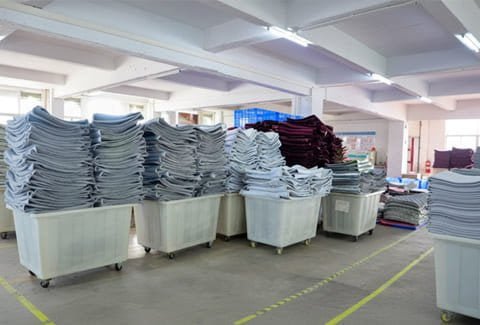
High-Stress Applications: Leashes, Harnesses, Carriers
Leashes and harnesses face constant tension, abrasion, and weather exposure. I’ve tested recycled polyester webbing against virgin polyester in pull tests—the performance gap exists but varies by supplier and processing method.
In projects where we sourced GRS-certified recycled polyester webbing, tensile strength tested 5-10% lower than virgin material of equivalent weight3. For standard dog leashes (small to medium breeds), this difference falls within acceptable tolerances. For heavy-duty applications—large breed leashes, climbing harnesses for working dogs—the margin tightens considerably.
One client wanted recycled nylon webbing for rock-climbing-style harnesses. After sampling, their safety testing showed the recycled version couldn’t consistently meet their load requirements without increasing webbing thickness—which added bulk and weight their design couldn’t accommodate. They ultimately used recycled material for secondary components (chest straps, belly bands) and virgin nylon for primary load-bearing webbing.
Key considerations for high-stress recycled fabrics:
- Request supplier load testing data specific to their recycled content percentage
- Plan for potential thickness adjustments to maintain strength requirements
- Account for longer sampling cycles—recycled material suppliers often have longer lead times
- Verify UV resistance if products will face regular sun exposure (recycled fibers may degrade faster)
Moisture-Exposed Products: Beds, Mats, Raincoats
Recycled polyester performs well in beds and blankets—I’ve completed multiple orders where clients couldn’t distinguish finished products from virgin polyester equivalents. The challenge appears in waterproof or water-resistant applications.
For raincoats and water-resistant carriers, we typically use recycled polyester fabric with PU (polyurethane) or PVC coating. The recycled content sits in the base fabric layer—not the waterproof coating itself. I’ve had clients question why waterproof products can’t be 100% recycled. The answer: waterproof coatings that meet performance standards are currently synthetic, and recycled coating materials don’t yet match virgin coating durability at competitive prices.
A brand wanted fully biodegradable raincoats. We sourced a plant-based waterproof coating, but it degraded under repeated washing and lost water resistance after 8-10 wash cycles. Their target market expected raincoats to last multiple seasons. The project stalled because the material lifespan couldn’t match customer expectations.
Low-Stress Applications: Plush Toys, Apparel, Blankets
This is where recycled materials shine. Recycled polyester fill and fleece fabric perform nearly identically to virgin materials for plush toys and pet blankets. Cost premiums are smaller, MOQs are more manageable, and performance gaps rarely matter to end-users.
I’ve produced thousands of units of pet blankets using 100% recycled polyester fleece. Customer feedback has been indistinguishable from our conventional fleece products. The main differences appear during production: recycled fleece sometimes shows slight color variation between dye lots, and pilling resistance can vary by supplier.
For low-stress applications, recycled materials offer the best cost-performance-sustainability balance—but buyers should still request samples from multiple suppliers, since recycled content consistency varies widely in this market segment.
What Are the Hidden Costs and MOQ Impacts of Sustainable Materials?
This is where promising sustainable projects die. I quote sustainable materials daily, and the conversation almost always hits the same wall: upfront costs and minimum order quantities that conventional materials don’t demand.
Sustainable materials introduce three cost layers buyers consistently underestimate: certification fees and audit requirements (GRS, GOTS, OK Compost4), longer sampling and testing cycles that delay launches, and higher minimum order quantities for certified or specialty materials. Total project costs may not exceed conventional materials at scale, but upfront cash requirements and timeline extensions kill projects before reaching price-competitive volumes.
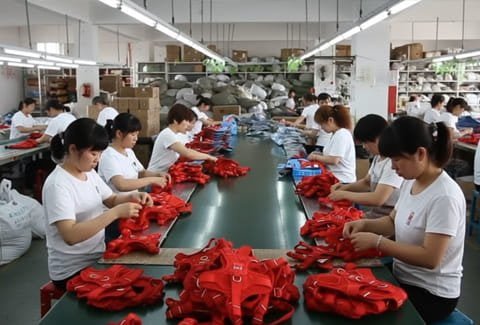
Certification Requirements and Timeline Extensions
GRS (Global Recycled Standard) certification requires third-party verification of recycled content percentages and supply chain documentation.5 For manufacturers, this means annual audits, transaction certificates for each order, and detailed material tracking6. For buyers, it means 8-12 weeks added to initial sampling timelines and certification fees that range from $500-2,000 per product category depending on order complexity.
I completed an order for a client who wanted GRS-certified recycled polyester beds. Their original timeline assumed 4-6 weeks for sampling. Reality: 14 weeks from initial inquiry to approved samples because we needed to source certified fabric, wait for transaction certificates, and complete third-party testing for recycled content verification. Their product launch missed peak season.
Common certifications and their practical impacts:
| Certification | Verifies | Timeline Addition | Typical Cost Range | Worth It If… |
|---|---|---|---|---|
| GRS (Global Recycled Standard) | Recycled content %, chain of custody | 8-12 weeks | $800-2,500 per product line | Marketing to eco-conscious retailers or selling premium products |
| GOTS (Global Organic Textile)7 | Organic fiber content, social/environmental standards | 10-16 weeks | $1,200-3,500 per product line | Targeting organic/natural product markets |
| OK Compost | Biodegradability under industrial composting | 6-10 weeks | $600-1,800 per material type | Customers have access to industrial composting |
| OEKO-TEX8 | Harmful substance testing (not sustainability-specific) | 4-6 weeks | $400-1,200 | Required by retailers or for baby/sensitive skin products |
MOQ Realities for Certified Materials
Standard pet products in our facility typically have MOQs of 500-1,000 units for custom designs. Sustainable materials push those numbers higher—sometimes dramatically.
A startup wanted to launch a small batch (300 units) of dog collars using GRS-certified recycled webbing to test market response. Our webbing supplier’s MOQ for custom colors in certified material: 2,000 meters—enough for roughly 1,500 collars. The client’s options: accept limited color choices from the supplier’s stock colors, increase their order quantity, or abandon the certified material.
Why MOQs increase for sustainable materials:
- Fabric mills require minimum production runs to justify changing machine setups and sourcing certified raw materials
- Certification costs get amortized across larger batches—small runs make per-unit certification costs prohibitive
- Specialty materials (biodegradable polymers, recycled nylon) come from fewer suppliers with less flexible production schedules
I’ve seen buyers work around MOQ barriers by consolidating multiple products into a single fabric order—using the same recycled polyester across beds, toys, and carriers to hit minimum quantities. Smart buyers plan multi-product sustainable lines from the start instead of testing one product at a time.
When Sustainable Materials Actually Cost Less
This surprises buyers, but it happens. At higher volumes, recycled polyester prices approach virgin polyester pricing—sometimes dropping below it when petroleum prices spike. I completed a 10,000-unit order for recycled polyester pet blankets where the material cost matched virgin polyester within 2% at that volume.
Bio-based materials rarely achieve price parity, but I’ve seen bamboo fiber approach cotton pricing when cotton prices hit multi-year highs9. Market dynamics matter more than inherent material costs.
The real cost barrier isn’t material pricing—it’s the upfront investment required to reach price-competitive volumes while covering certification fees and longer development cycles. Buyers with $10,000-20,000 in development budget and willingness to commit to 3,000-5,000 unit orders can make sustainable materials work economically. Buyers testing with 500-unit trial orders hit cost walls that make sustainability look prohibitively expensive.
How Should Buyers Match Materials to Product Use Cases?
I’ve completed successful sustainable projects and watched others fail. The pattern is consistent: buyers who succeed treat material selection as an engineering decision with performance requirements, test parameters, and acceptable trade-offs. Buyers who fail select materials for marketing appeal, then discover functional incompatibilities after committing to tooling or inventory.
Material selection requires working backward from three specifications: product use environment (indoor vs. outdoor, moisture exposure, mechanical stress), expected product lifespan and disposal method (will customers actually compost this, or will it end up in landfills?), and target price point with realistic volume commitments. Successful buyers define these parameters before requesting quotes—unsuccessful buyers ask "what’s your cheapest eco-friendly option?" and end up with materials that don’t match their product category.
-
"PLA/PHB-Based Materials Fully Biodegradable under Both … – PMC", https://pmc.ncbi.nlm.nih.gov/articles/PMC9572414/. Studies on polylactic acid degradation confirm that industrial composting conditions—including sustained temperatures of 55-60°C and controlled humidity—are necessary for timely breakdown, with degradation rates significantly reduced in ambient or landfill environments. Evidence role: mechanism; source type: research. Supports: the specific temperature and environmental conditions required for PLA biodegradation in industrial composting systems. Scope note: Degradation rates vary by PLA formulation and composting facility protocol ↩
-
"Plastic Waste Degradation in Landfill Conditions – PMC – NIH", https://pmc.ncbi.nlm.nih.gov/articles/PMC9602440/. Research on biodegradable polymers in landfill environments shows that materials designed for aerobic composting exhibit minimal degradation under the anaerobic, low-temperature conditions typical of municipal landfills, with some materials persisting for extended periods comparable to conventional plastics. Evidence role: mechanism; source type: research. Supports: the persistence of compostable materials in anaerobic landfill conditions. Scope note: Degradation rates vary by landfill management practices and material composition ↩
-
"Thermal and Mechanical Properties of the Recycled and Virgin PET—Part I", https://pmc.ncbi.nlm.nih.gov/articles/PMC9003056/. Materials research on recycled polyester indicates that mechanical properties including tensile strength can vary compared to virgin material, with performance depending on feedstock quality, processing methods, and the number of recycling cycles, though well-processed recycled polyester can approach virgin material performance. Evidence role: general_support; source type: research. Supports: potential mechanical property differences between recycled and virgin polyester. Scope note: Performance variation depends heavily on recycling source, processing quality, and specific application ↩
-
"OK compost HOME – OK Certification – tüv austria", https://okcert.tuvaustria.com/ok-compost-home-en/. OK Compost certification, administered by TÜV Austria, verifies that products and materials meet specific standards for biodegradability and compostability under defined composting conditions, with separate certifications for industrial and home composting environments. Evidence role: definition; source type: institution. Supports: the existence and purpose of OK Compost certification. ↩
-
"Global Recycled Standard (GRS) Certification | SCS", https://www.scsglobalservices.com/services/global-recycled-standard. The Global Recycled Standard, administered by Textile Exchange, establishes third-party certification requirements including verification of recycled content percentages, chain of custody documentation throughout the supply chain, and compliance with environmental and social criteria. Evidence role: definition; source type: institution. Supports: the core requirements of Global Recycled Standard certification. ↩
-
"Recycled Claim Standard (RCS) + Global Recycled Standard (GRS)", https://textileexchange.org/recycled-claim-global-recycled-standard/. The Global Recycled Standard certification framework includes annual facility audits, transaction certificates documenting recycled content for certified orders, and material tracking systems to maintain chain of custody verification throughout the supply chain. Evidence role: general_support; source type: institution. Supports: the ongoing compliance requirements for GRS certification. ↩
-
"GOTS – How the system works Global Standards", https://global-standards.org/our-standards/gots. The Global Organic Textile Standard (GOTS) is an internationally recognized certification for organic fiber textiles, establishing requirements for organic fiber content, environmental practices in processing, and social compliance throughout the textile supply chain. Evidence role: definition; source type: institution. Supports: the existence and scope of Global Organic Textile Standard certification. ↩
-
"Oeko-Tex – Wikipedia", https://en.wikipedia.org/wiki/Oeko-Tex. OEKO-TEX Standard 100 certification, administered by the OEKO-TEX Association, provides independent testing and verification that textile products meet human-ecological requirements by limiting harmful substances, though it does not directly certify environmental sustainability of production. Evidence role: definition; source type: institution. Supports: the scope and purpose of OEKO-TEX certification. ↩
-
"[PDF] Trade Overview 2022 – International Bamboo and Rattan Organization", https://www.inbar.int/wp-content/uploads/2024/11/Trade-Overview-2022-Bamboo-and-Rattan-Commodities-in-the-International-Market-EN.pdf. Textile commodity analyses show that alternative fiber pricing, including bamboo-derived textiles, can become more competitive with cotton during periods of elevated cotton prices, though bamboo processing costs typically maintain a baseline premium over conventional cotton. Evidence role: general_support; source type: research. Supports: the relationship between alternative fiber and cotton pricing during market fluctuations. Scope note: Price relationships vary by fiber processing method, market conditions, and regional production factors ↩