跳到内容
跳到内容 
Choosing fabric for dog beds seems simple, right? Wrong! Pick poorly and face constant messes, rapid wear, and an unhappy dog. Get it right to unlock comfort and true pet parent peace of mind.
The best fabric depends heavily on your dog’s needs. Consider their size, shedding, chewing habits, and any sensitivities first. Ultimately, durability paired with easy cleaning usually wins, but specific scenarios demand specialized materials like waterproof or mosquito-repellent fabrics.

Finding the ideal fabric involves dissecting several key factors. Let’s break down these crucial considerations beyond just the obvious cost.
Factors to Consider?
Is your giant breed shredding beds monthly? Does your pup have allergies you can’t pinpoint? Ignoring the right factors turns every dog bed purchase into a gamble and a waste of money.
Choosing the right dog bed fabric requires evaluating key factors: your dog’s size, breed traits, and activity level; their need for comfort and joint support; the fabric’s toughness; and crucially, its ease of cleaning, especially for messy dogs or accident-prone seniors.
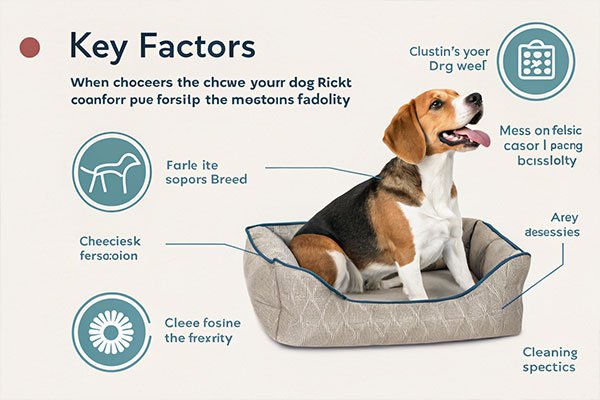
Critical Factors Decoded
Don’t just guess what your dog needs. Systematically analyze these aspects to match the bed fabric perfectly:
| Factor | Why It Matters | Key Requirements |
|---|---|---|
| Size & Breed | Bigger/heavier dogs and powerful chewers exert extreme force on materials. | Reinforced stitching, very heavy-duty fabric (e.g., Canvas, Cordura). Requires larger seam allowances. |
| Comfort & Support | Older dogs or breeds prone to joint issues (e.g., Dachshunds, Labs) need pressure relief. | Plush fabrics (Velvet, Fleece) or supportive memory foam with soft micro-suede covers. |
| Durability | Daily use, scratching, digging, and chewing destroy weak fabrics quickly. | High-denier fabrics, tight weaves, scratch-resistant materials (e.g., Oxford, Leather). |
| Cleaning & Maintenance | Accidents, mud, shedding, and drool require frequent washing. Busy owners need simple solutions. | Machine-washable fabrics, waterproof liners, removable covers (Cotton, Polyester blends are practical). Non-removable beds should have wipe-clean surfaces. |
Larger or working breeds need heavyweight solutions. Conversely, a delicate Chihuahua might suit softer velvet. Active dogs outdoors demand tougher, lower-maintenance options than senior indoor pets.
Popular Fabrics for Dog Beds?
Velvet, Leather, Canvas… the choices feel overwhelming! Picking the wrong textile leads to ripped seams, lingering stains, and costly replacements. Understand the real strengths and trade-offs of each option.
Common dog bed fabrics include soft Velvet, durable Oxford & Canvas, comfortable Knitted variants, easy-clean Leather & Polyester, classic Cotton, and specialized Functional Fabrics. Each has distinct pros and cons for comfort, durability, and ease of care, suiting different dog needs and environments.
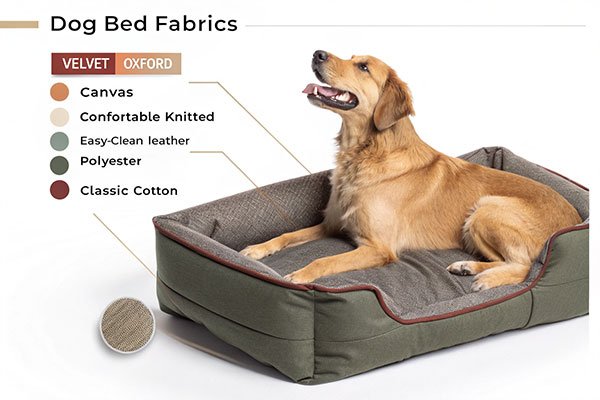
Fabrics Unpacked: Performance & Suitability
Not all fabrics handle mess equally or last through puppyhood. Here’s a true industry perspective:
Everyday Fabrics: Pros, Cons & Best Suited Dogs
| Fabric | Key Pros | Key Cons | Best Suited For |
|---|---|---|---|
| Velvet | Luxurious soft feel, retains warmth well. | Requires careful cleaning, holds pet hair. | Small, low-shedding indoor dogs & seniors. |
| Oxford Fabric | Extremely durable, water & dirt resistant. | Can feel less plush, stiff when new. | Large breeds, chewers, outdoor kennels. |
| Knitted Fabric | Soft texture, good stretch, breathable. | Less durable long-term, vulnerable to claws. | Gentle chewer puppies, calmer small breeds. |
| Faux Leather | Very easy to wipe clean, stylish look. | Can be hot, prone to scratching, cracks over time. | Small senior dogs (easy cleanup) & stylish homes. |
| Cotton | Breathable, comfortable, often machine washable. | Wears faster, absorbs stains and odors readily. | Light shedders & owners prioritizing natural materials. |
| Canvas | Heavyweight champion of durability. | Very stiff initially, heavy when washing. | Working/guardian breeds, serious chewers. |
| Polyester Blends | Highly stain-resistant, affordable, dries fast. | Can feel synthetic, prone to pilling with heavy use. | Frequent washers, families with messy dogs, budget conscious. |
Functional Fabrics (Solutions with Tech):
- Waterproof Fabrics (TPU/PVC backing): Essential for incontinence, drooly breeds like Mastiffs, or puppies. Creates a barrier but the top fabric still needs careful selection for comfort (often polyester blends). Check backing quality – cheap versions crack quickly.
- Mosquito Repellent Fabrics (Impregnated/Treated): Crucial in regions with high heartworm risk. Protects outdoor dogs or patio use. Requires specific laundering care to maintain efficacy.
- Ultrasonic / Sound-Emitting Fabrics: Experimental tech. Claims to soothe anxiety via emitted sound frequencies. Still niche, long-term effectiveness requires more independent studies.
Special Considerations?
Did a new bed suddenly trigger red skin? Tired of disposable products harming the planet? Seasonal shifts leaving your pet uncomfortable? Overlooking critical details leads to problems standard reviews don’t fix.
Beyond basic fabric, consider allergies (hypoallergenic synthetics like microfiber vs problem fabrics like wool), environmental impact (recycled poly vs PVC-heavy waterproofing), safety (non-toxic dyes, secure closures), and seasonal needs (breathable cotton for summer, plush velvet or sherpa inserts for winter).
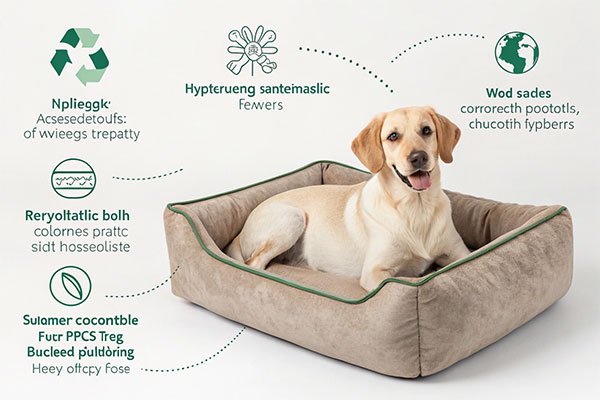
Beyond Comfort & Durability: Hidden Factors
Serious manufacturers address these often-missed pain points for sensitive pets and responsible buyers:
Allergies & Sensitivities
Dust mites, dyes, and certain natural fibers irritate sensitive skin. Key solutions:
- Use naturally hydrophobic or tightly-woven synthetic fabrics like microfiber that resist mite ingress.
- Insist on OEKO-TEX certified dyes and materials. Avoid chemically flame-retardant finishes if possible.
- Opt for removable, frequent-wash covers.
- Steer clear of wool & some natural fills unless guaranteed processed & certified.
Environmental Impact
The pet industry faces pressure to reduce waste and toxic chemicals:
- Prioritize fabrics using recycled PET (e.g., RPET fleece/poly) significantly reducing landfill & new plastic.
- Avoid fabrics bonded heavily with PU/PVC for waterproofing unless necessary; opt for TPU-coated which is biodegradable relative to PVC. Seek bluesign® certified materials.
- Durable fabrics (Canvas, high-quality Oxford) naturally extend product lifespan, reducing overall waste.
Safety Standards
Peace of mind requires non-negotiable safety:
- Ensure all materials comply with CPSIA (USA) or REACH/EN71 (EU) regulations – no lead, phthalates, heavy metals. Reputable manufacturers test and provide certificates.
- Avoid small, easily detachable decorative elements (choking hazards). Zippers should be robust with minimal pull tabs.
- Inner materials (foam) should meet fire resistance standards safely (soy-based foams or barriers, avoid questionable chemical sprays).
Tips for Maintaining the Dog Bed?
Think cleaning a dog bed means just tossing it in the washer? That leads to lumps, tears, and ruined covers. Poor maintenance shortens your investment’s life fast and hides lurking bacteria.
Extend bed life significantly by vacuuming weekly, washing removable covers every 1-2 weeks using pet-safe detergent, spot-cleaning messes immediately, checking seams and fill regularly, and replacing the bed once support flattens or major tears/hard-to-clean odors develop. Follow fabric-specific cleaning codes.
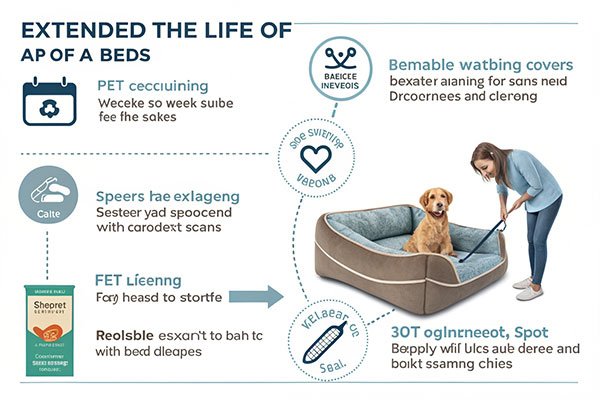
Expert Maintenance: Preserving Investment & Hygiene
Commercial buyers especially need longevity. We build beds for it, but care is vital:
Cleaning Routines in Detail
- Pre-Wash: Always vacuum removable covers before washing to remove hair/debris clogging the washer. Use mesh laundry bags for protection.
- Wash Protocol: Check the fabric-specific care label religiously. Gentle cycles and cool water (max 30°C/86°F) are safest. Harsh detergents can strip waterproofing or irritant coatings. Use enzymatic cleaners for odor/urine.
- Spot Cleaning: For non-removable or large beds, use pet-safe foam sprays or wipes immediately. Blot, don’t scrub, to prevent damage.
- Drying: Air-dry is gentlest and preserves coatings. Tumble dry only on LOW heat if absolutely necessary. High heat damages fabric integrity, melts synthetic fills, and can crack waterproof liners/bonded covers.
Proactive Wear & Tear Checks
Monthly inspections prevent disasters:
- Seams: Check stitching, especially corners and edges, for fraying, openings, or zipper damage.
- Fill: Squeeze and feel support. Persistent lumps or excessive flattening (no rebound) means support loss, especially bad for joints.
- Fabric: Look for thin spots, significant pilling, fraying edges, claw snags, or deep chew marks exposing foam.
When Replacement is Mandatory (Not Optional)
Even the best beds die. Replace promptly when:
- Flattened fill offers no support.
- Major tears or holes exposing inner materials (choking hazard, hygiene issue).
- Persistent odors or stains impossible to remove after professional washing attempts.
- Damaged zippers rendering cover removal impossible.
Prolonging use beyond these points compromises pet health, comfort, and potentially home cleanliness.
Conclusion
Consider size, lifestyle, and health needs first. Understand the unique balance each fabric offers between comfort, durability, and ease of cleaning – there’s no single "best." Prioritize quality construction for lasting pet comfort and owner satisfaction. Customizable solutions truly solve these complex choices.