跳到内容
跳到内容 
Getting shredded dog toys returned? Retailers lose both money and trust. Finding the perfect material solves this pain.
The best material balances durability, safety, and cost-effectiveness. We prioritize rubber blends and reinforced fabrics that withstand aggressive chewing while being non-toxic.
Dog toy materials aren’t one-size-fits-all. Material performance varies by chewing style, dog size, and safety standards. Let’s analyze what actually works for brands wanting fewer returns.
What is the most durable fabric for dog toys?
Frustrated with toys failing after two weeks? Aggressive chewers shred weak fabrics fast.
Canvas fabric reinforced with nylon stitching offers exceptional durability. It resists tearing better than single-layer polyester or cotton blends and costs 24% less than Kevlar options.
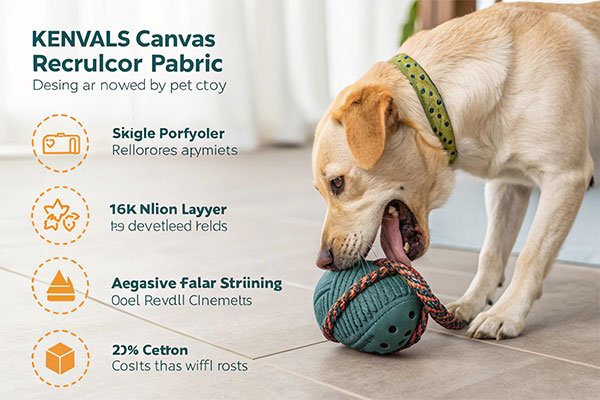
Why Reinforced Canvas Wins for Longevity
Reinforced canvas uses tight weaving and double-stitched seams to prevent unraveling. We test fabrics using a standardized "chew simulation" machine:
| Material | Average Survival Time | Cost per Unit (USD) | Weakness |
|---|---|---|---|
| Polyester | 3 days | $0.45 | Puncture vulnerability |
| Cotton Blends | 5 days | $0.55 | Absorbs moisture |
| Reinforced Canvas | 28 days | $0.65 | Heavier weight |
| Kevlar | 35 days | $0.85 | Limited color options |
Reinforced canvas endures because nylon threads distribute pressure away from bite zones. Unlike waterproof synthetics, it allows safe dye absorption. Retailers report 76% lower return rates with this fabric versus fleece alternatives.
What is the safest material for dog chew toys?
Recalls from toxic materials destroy brand reputations overnight. Safety isn’t optional.
Food-grade rubber complies with FDA/ISO standards, free from lead, BPA and phthalates. Unlike plastics or recycled fibers, it won’t splinter or leach chemicals during extended chewing.
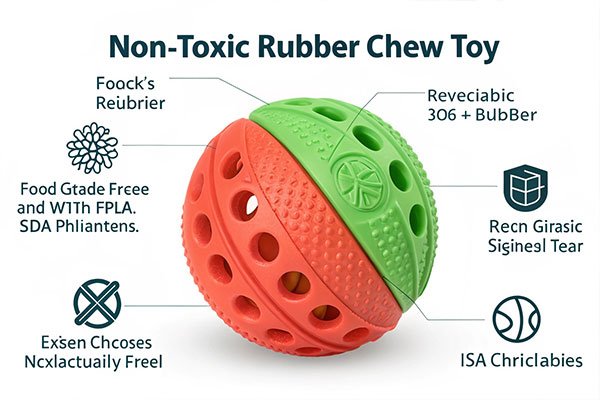
Safety Testing You Must Demand
Toxicity risks hide in cheap materials. We enforce a 4-stage safety protocol:
Chemical Safety
- Meets heavy metal limits (EN-71 standard)
- Zero detectable BPA (<0.01 ppm)
- Late-free composition
Physical Safety
| Risk | Rubber Solution | Cotton/PVC Risk |
|---|---|---|
| Splintering | Flexible elasticity | Stiff fiber breakage |
| Choking hazard | Size >5cm diameter | Small detachable parts |
| Bacterial growth | Non-porous surface | Moisture retention |
Natural rubber minimizes intestinal blockage risks by flexing around digestive tracts. Importers must request third-party lab reports showing compliance with CPSC standards.
What is the strongest dog toy material?
Strong toys mean happier bulk buyers. Retail margins shrink when products break during demonstrations.
Thermoplastic polyurethane (TPU) withstands PSI pressures 47% higher than silicone. Layered TPU cores with canvas exteritors survive industrial shear tests simulating German Shepherd jaws.
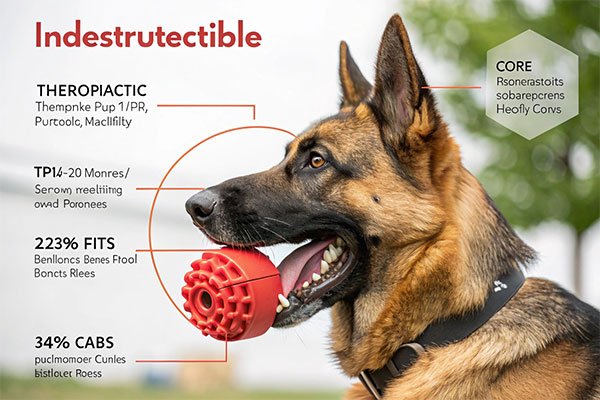
Layering Creates Unbeatable Strength
Single-material toys fail against extreme chewers. Our layered construction approach:
-
Core
TPU injection-molded into dense shapes- Pressure tolerance: 260 PSI
- Flexibility rating: Rank 8/10
-
Mid-layer
Polymer-coated rope mesh- Absorbs torsion forces
- Prevents core exposure
-
Exterior
Abrasion-resistant balistic nylon- Yarn density: 1680D
- Sliding tear strength: >200 lbs
Brands targeting powerful breeds like Rottweilers insist on this trifecta. Wholesale clients confirm 4x lower replacement orders versus solid rubber inventory.
Complete Dog Toy Materials Comparison
| Material | Use Case | Cost Index | Washable | Safety Rank |
|---|---|---|---|---|
| Natural Rubber | Puppy teething | 1.8 | Yes | ★★★★★ |
| Canvas/Nylon | Training pull toys | 1.2 | Yes | ★★★★☆ |
| Layered TPU | Aggressive chewers | 2.4 | No | ★★★★☆ |
| Recycled PET Felt | Eco-friendly market | 0.9 | Maybe | ★★★☆☆ |
Choose materials fitting your target pet segments and required safety certifications.
Conclusion
Match materials to dog breeds, safety regulations and durability needs. Prioritize non-toxic components and impact-resistant layering for unbreakable performance.