跳到内容
跳到内容 
I see many clients struggle picking leash materials. Their profit margins shrink when products fail. Let me share insights from making 500,000+ leashes yearly.
The best dog leash material balances strength, safety, and pet needs. Nylon works for most dogs, leather excels for power chewers, while chain suits heavy pullers. Prioritize bite resistance and grip comfort. Safety trumps all other factors.
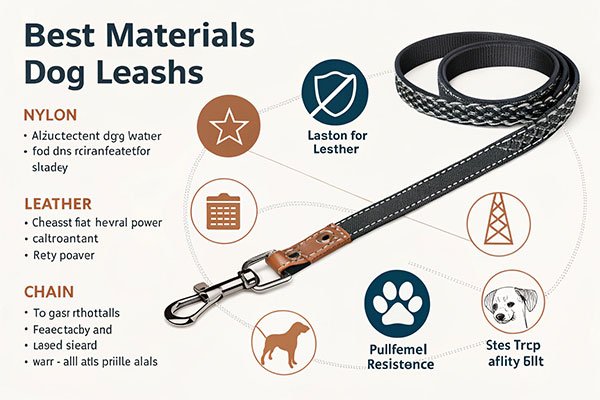
Choosing the right leash affects your business reputation. Cheap materials mean product returns. Keep reading to avoid costly mistakes and satisfy customers long-term.
What Are Common Dog Leash Materials?
I watch retailers lose sales with poorly described materials. You need clear differentiation to boost orders. Each material has distinct strengths and costs.
Nylon, leather, chain, and rope dominate leash manufacturing. Nylon offers budget-friendly durability. Leather provides luxury with high chew resistance. Metal chains prevent chewing damage but add weight. Rope leashes float for water activities. Select based on safety certifications.
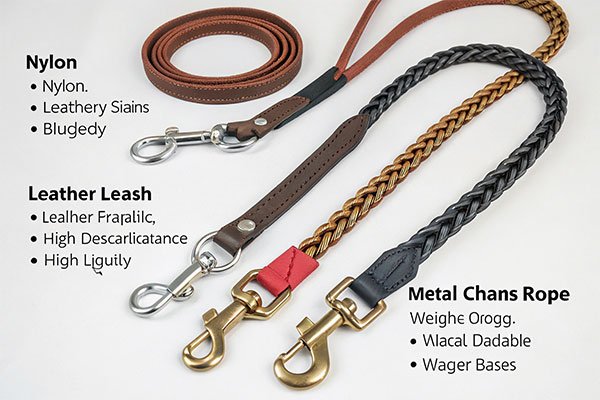
Material Pros and Cons Breakdown
Understanding these details prevents client complaints. I reject low-grade materials that fail pull tests.
| Material | Cost | Best For | Weakness | Manufacturer Tip |
|---|---|---|---|---|
| Nylon | Low | Daily urban walks | Weak against chewing | UV-coated for sun resistance |
| Leather | High | Aggressive chewers | Water damage | Use vegetable-tanned hides only |
| Chain | Medium | Strong large dogs | Heavy/cold on skin | Electropolish links for safety |
| Rope | Medium | Water activities | Frays over time | Double-braided core construction |
Nylon leashes account for 70% of wholesale orders due to cost efficiency. But we require 200kg tensile strength minimum. Leather demands special care – untreated pieces crack in humid shipments. Chain leashes need rubber grips to prevent hand injuries. Overlooking these details creates customer distrust. Test samples rigorously before bulk orders.
How to Choose Suitable Dog Leash Materials?
Retailer returns spike when leashes mismatch pet needs. Your buyers want personalized solutions. Match leash specs to the dog’s profile and environment.
First analyze the dog. Small breeds need lightweight nylon. Heavy pullers require thick leather or chain. Chewers need metal components. Then check usage environments, and finally confirm safety certifications. This prevents costly misfits.
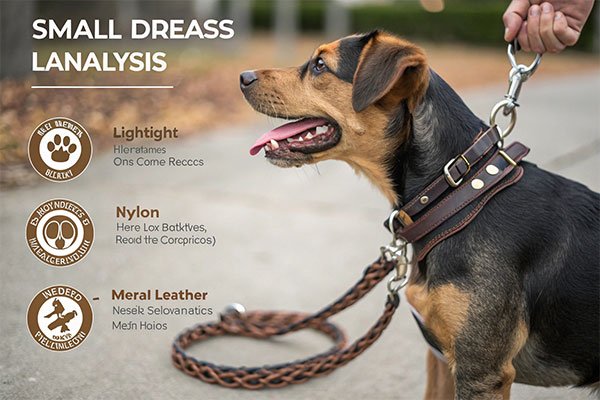
Selection Methodology
Follow this decision framework during client consultations:
| Factor | Key Questions | Material Priority | Risk Warning |
|---|---|---|---|
| Dog Size | Weight? Pull strength? | Strength-to-weight ratio | Thin leashes snap |
| Behavior | Chews? Shakes? Plays rough? | Bite/shock resistance | Replace nylon monthly |
| Habitat | Humid? Saltwater? UV exposure? | Corrosion/UV protection | Rust destroys chains |
| Safety | Has testing certification? | Non-toxic dyes | Lead in metals banned |
I refused an order for nylon leashes for police K9 units because bite tests failed. Instead we custom-made layered leather-core products. Always conduct force tests for dogs over 30kg. Environmental factors matter too – coastal areas require marine-grade materials. Saltwater destroys standard hardware within months, so include corrosion protection costs in quotes.
How Do I Maintain Dog Leash Materials?
Poor maintenance harms your product lifespan and brand reputation. We include care cards with bulk orders. Different materials need specific approaches.
Clean nylon with mild soap weekly. Wash leather monthly using specialized conditioner. Rinse saltwater from metal chains immediately. Store rope leashes dry to prevent mold. This extends product life by 200%.
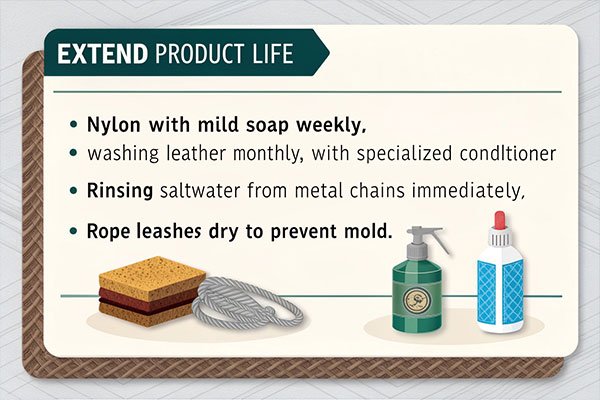
Maintenance Protocols by Material
Build care instructions into your packaging to reduce warranty claims:
| Material | Cleaning Frequency | Method | Drying | Storage | Mistake Alert |
|---|---|---|---|---|---|
| Nylon | After salt/sand | Soap + lukewarm water | Hang fully extended | Dry ventilated space | Heat warps weak nylon |
| Leather | Every 3 weeks | Damp cloth + conditioner | Indirect sunlight only | Flat with no creases | Water causes permanent stains |
| Chain | After beach/rain | Freshwater rinse | Wipe dry instantly | Hook to avoid kinks | Moisture rusts joints fast |
| Rope | After mud/swim | Machine wash cold | Air roll don’t twist | No plastic bags | Sun UV weakens fibers |
I had a client complain ropes stained white fur. Investigation showed dye leakage from improper cleaning products. Now we specify manufacturer-approved detergents. Leather leashes need conditioner to prevent cracking – we include small bottles with wholesale orders. Remember: improper storage voids warranties and reduces repurchase rates.
The best material suits specific needs then gets maintained properly. Offer material guides to build loyal clients.