跳到内容
跳到内容 
Starting with the wrong bed choice can harm your dog’s health and cause discomfort. At DIRIANA, we solve this by providing expert guidance on dog beds. Choose the perfect fit now.
Pick a bed based on your dog’s needs like size, age, and health. Match the type, material, and features to improve your dog’s comfort and promote better rest. This ensures a happy pet and reduces health risks.
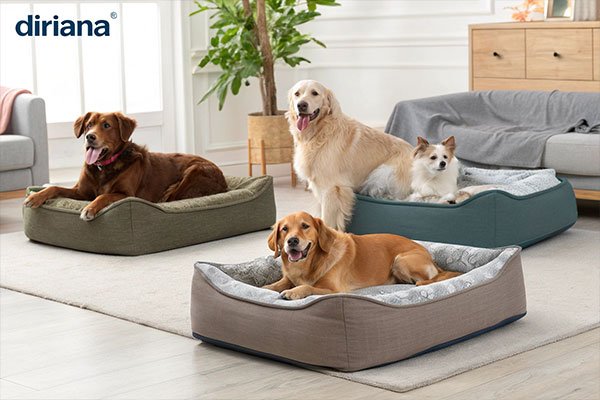
As a pet products manufacturer, I’ve seen how careful selection prevents issues. Let’s dive deeper into each aspect to help you make informed decisions and support your business growth.
What are the different types of dog beds?
Don’t risk your dog’s comfort with the wrong pick; it can lead to injuries or poor sleep. We outline the choices to keep your pet safe and satisfied.
Types include orthopedic for support, cooling for heat control, elevated for airflow, and heated for warmth. Each design serves specific needs, like aiding joints or cooling in summer, ensuring comfort in all conditions.
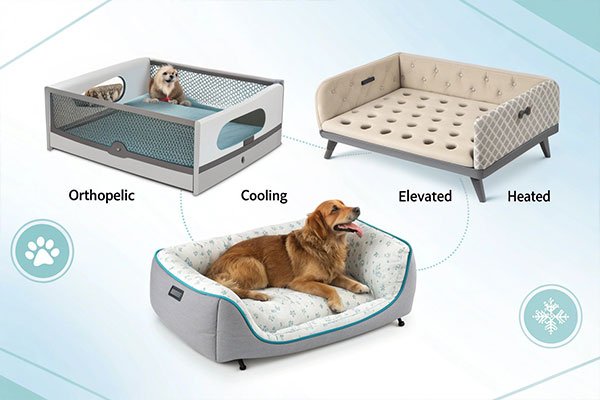
Orthopedic Dog Beds
Orthopedic dog beds use dense memory foam. This helps dogs with arthritis or older pets. It reduces joint pain by distributing weight evenly. But it can be heavy and hard to clean.
Cooling Dog Beds
Cooling beds have gel inserts or breathable fabrics. They pull heat away for hot climates or active dogs. This prevents overheating. Yet, they may lack support for larger breeds.
Elevated Dog Beds
Elevated beds keep dogs off the ground on a raised frame. They offer good ventilation and keep bugs away. Ideal for warm or damp areas. However, they might not insulate well in cold.
Heated Dog Beds
Heated beds provide warmth through built-in wiring. Great for chilly weather or sick dogs. It promotes blood flow and comfort. Safety is key; some models have auto shut-off features.
| Bed Type | Best For | Key Benefits | Potential Drawbacks | Special Features |
|---|---|---|---|---|
| Orthopedic | Older dogs, joint issues | Pain relief, support | Heavy, harder to wash | High-density foam, durable base |
| Cooling | Hot climates, active breeds | Reduces overheating | Less supportive | Gel inserts, air-flow layers |
| Elevated | All sizes, warm areas | Ventilation, hygiene | Poor insulation | Metal frames, washable mesh |
| Heated | Cold weather, recovery | Warmth, comfort | Electricity risk | Auto shut-off, temperature control |
Always check bed size and quality standards. At DIRIANA, we supply reliable options tailored for breeds and uses.
How to choose a dog bed based on size, age, and health?
Avoid guesswork leading to costly returns or health problems. We guide you to select the perfect fit for your dog’s traits today.
Measure your dog’s length and weight first. Pair that with their age and health conditions. For example, large breeds need bigger beds; seniors require extra support for joints.

Size Considerations
Size depends on the dog’s weight and length. Match the bed dimensions to your dog’s sleeping pose. Small dogs under 20 lbs fit smaller beds. Big dogs over 50 lbs need large or extra-large spaces. Allow room for stretching.
Age Factors
Puppies grow fast and need washable, easy-to-change beds. Adult dogs use standard sizes. Seniors often have arthritis, so choose supportive orthopedic beds. Always account for growth in young dogs to save money.
Health Conditions
Health issues dictate special features. For joint pain, pick orthopedic beds. Overweight dogs benefit from firm support. Dogs with allergies need hypoallergenic materials. For recovery, heated beds aid healing.
| Criteria | Factors to Consider | Recommended Bed Type | Why It Matters |
|---|---|---|---|
| Size | Weight: Under 20 lbs, 20-50 lbs, Over 50 lbs | Small, medium, large | Ensures proper space, prevents cramped discomfort |
| Age | Puppies, adults, seniors | Washable or expanding, standard, supportive | Saves costs, supports growth or aging needs |
| Health | Allergies, joint pain, weight issues | Hypoallergenic fabrics, orthopedic, firm bases | Reduces health risks, promotes daily comfort and recovery |
Custom options boost satisfaction and loyalty. We help design beds that fit unique cases easily.
How do material choices affect dog beds?
Wrong materials can irritate skin or wear out fast, wasting your investment. We help pick the best fabrics for comfort and longevity.
Use memory foam for cushioning, organic cotton for allergies, waterproof fabric for easy cleanup. These materials boost durability and health benefits.
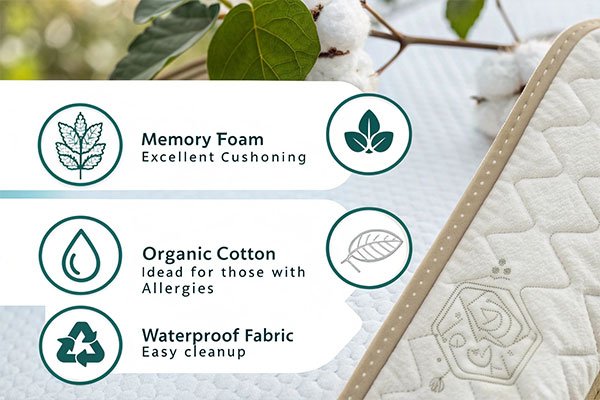
Memory Foam Materials
Memory foam offers excellent support for joints. It molds to the dog’s shape and reduces pressure points. But it needs regular flipping to avoid sagging. Check density levels for best results.
Organic Cotton Options
Organic cotton is soft and breathable. It suits dogs with sensitive skin or allergies. It doesn’t use harsh chemicals. However, it stains easily and may need frequent washing.
Waterproof Fabrics
Waterproof fabrics protect against spills or accidents. They are easy to wipe clean and prevent odor buildup. Ideal for puppies or incontinence. Some feel plastic-like, so test for comfort.
| Material Type | Key Qualities | Best Use Cases | Care Tips | Quality Checks |
|---|---|---|---|---|
| Memory Foam | Dense cushioning, customizable mold | Joint support, older dogs | Turn it monthly, avoid wet cleaning | Look for thickness over 3 inches |
| Organic Cotton | Soft, hypoallergenic, natural | Allergy-prone dogs, hot climates | Wash weekly in cool water | Confirm certifications for organic content |
| Waterproof | Moisture-repellent, durable | Active dogs, accidents | Spot clean often, use mild soap | Ensure seams are sealed tightly |
Selecting the right fabric enhances bed life and pet health. We supply top grades for all uses.
How to clean and maintain dog beds?
Skipping upkeep spreads germs and shortens bed life, risking pet illness. We show you simple steps for hygiene and durability.
Clean weekly with vacuuming and spot treatment. Wash covers in mild detergent monthly. Inspect for wear and replace fast to keep dogs safe.

Regular Cleaning Steps
Vacuum beds weekly to remove fur and dirt. Spot clean spills immediately with pet-safe sprays. For removable covers, wash in cold water monthly. Avoid harsh chemicals to prevent fabric damage.
Deep Maintenance Methods
Deep clean the whole bed every 3-6 months. Check zippers and seams for tears. Replace worn pads promptly. Store beds away from direct sun to avoid fading and cracking.
| Task | Frequency | Tools Needed | Why It Helps | Common Mistakes |
|---|---|---|---|---|
| Vacuuming | Weekly | Vacuum cleaner with pet attachment | Removes allergens and pests | Infrequent use allows buildup |
| Spot Cleaning | After spills | Mild soap and water, soft cloth | Prevents stains and odor growth | Using harsh chemicals that harm fabrics |
| Full Wash | Monthly for covers; 3-6 months for pad | Gentle detergent, washing machine | Kills bacteria and mites | Overwashing that weakens materials |
Proper care extends bed life and reduces costs. We offer easy-clean designs backed by our quality promise.
Choosing the right dog bed ensures pet well-being and supports your success. Trust experts like us for reliable products.