跳到内容
跳到内容 
Picture your dog happily chewing a toy… suddenly gagging or choking. Scary, right? Not all toys are safe pals. Some hide serious dangers. Know what risks lurk in that plaything.
Bad dog toys pose choking, toxicity, dental damage, or digestive risks. Unsafe choices include small swallowable items, brittle plastic fragments, toxic materials, and overly rigid items harming teeth. Always prioritize size-appropriate, non-toxic designs for safer play. Safety testing is vital.
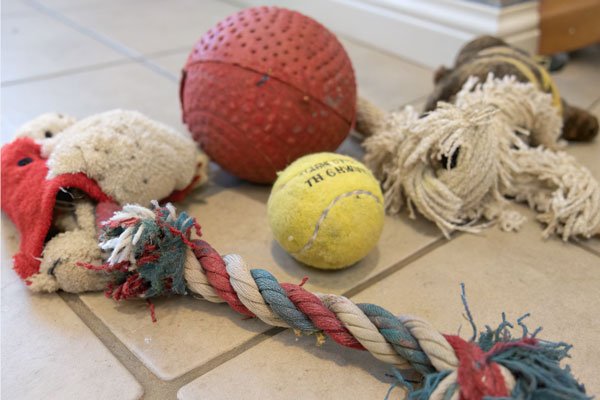
Knowing which toys to ban saves lives. Let’s dissect risky toy types every owner and buyer must avoid. This knowledge protects dogs everywhere – read on for specifics.
Are Cheap Plastic Bones Dangerous?
That affordable plastic bone seems perfect… until sharp fractures cut gums or become gut blockages. Low-cost often means high-risk with plastic toys. See why they fail the safety test.
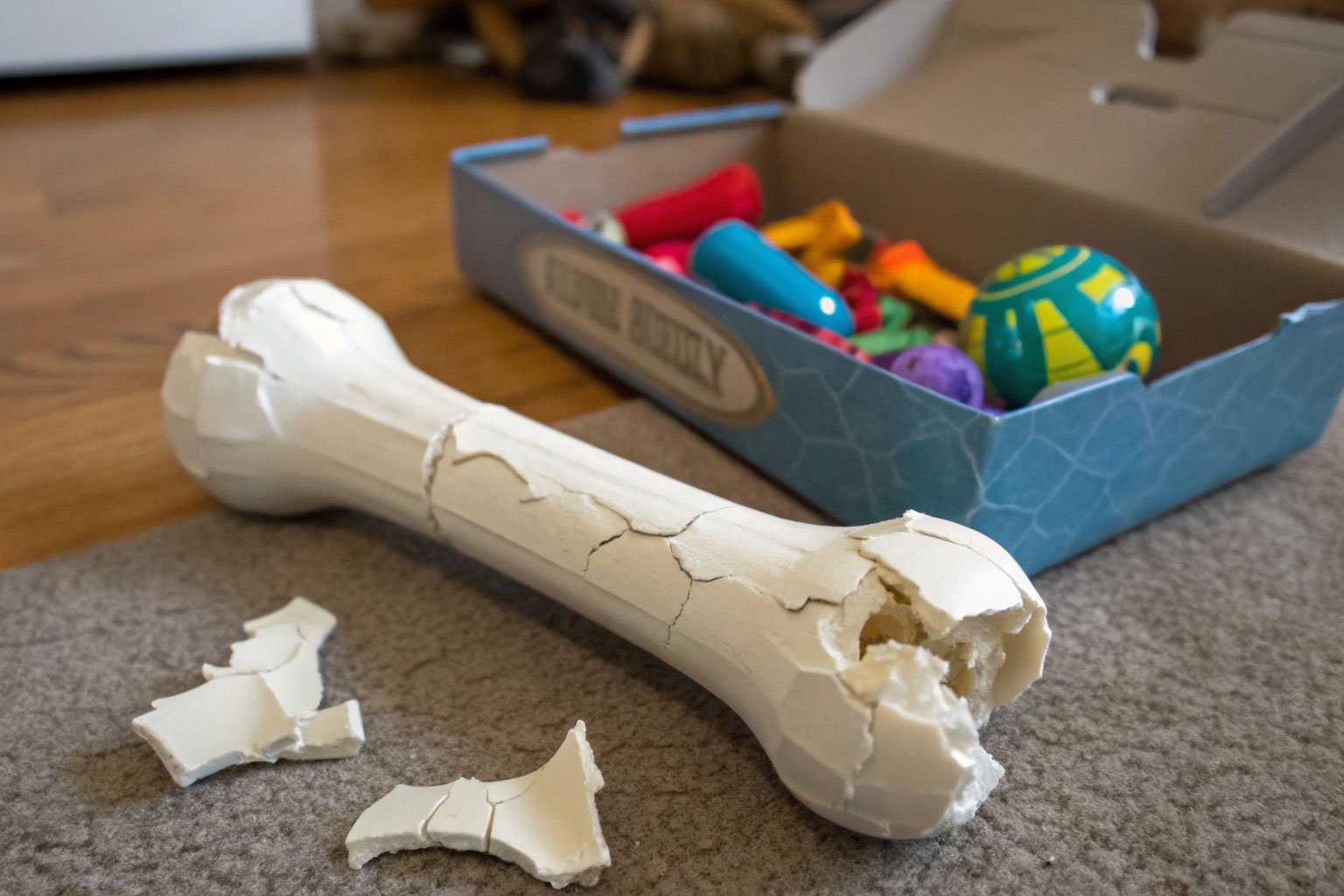
Cheap plastic bones shatter easily under dog bite-force. Sharp shards can choke, slash gums/mouth, or perforate intestines. Often made with risky chemicals like phthalates or BPA leaching into saliva, posing poisoning threats. Avoid thin, brittle plastics.
Plastic Perils: Material Breakdown
Understanding unsafe plastics matters. Key risks include:
- Type: Recycled plastics (#3 PVC, #6 PS) commonly used in cheap toys are brittle and prone to sudden fracture. FDA-approved food-grade plastics (#2 HDPE, #5 PP) are safer.
- Toxins: Phthalates (plastic softeners) interfere with hormones. Heavy metals like lead/cadmium (colorants) can accumulate, causing neurological damage.
- Physical Threat: Breaking patterns create jagged debris acting like swallowed knives.
| Plastic Type | Common Use in Toys | Primary Dangers | Safer Alternatives |
|---|---|---|---|
| PVC (Vinyl) | Soft Plush, Squeakers | Contains phthalates; easily punctured | Natural rubber, Cotton |
| Polystyrene (PS) | Hard Plastics, Cheap Bones | Shatters into sharp fragments | Thick natural rubber, nylon |
| Recycled Plastics | Filler Material | Chemical residue; unknown toxins | Virgin FDA-grade plastics |
Manufacturing oversight is crucial. Rigorously testing plastic density, chemical makeup, and bite-resistance prevents unsafe products reaching dogs. Partner with factories that control raw materials.
Can Soft Squeaky Toys Cause Choking?
Your pup adores the squeak! But hidden inside lies a silent killer. That irresistible noise maker can be swallowed whole in seconds, blocking airways entirely. Learn this vital warning.
Soft fabric toys with internal plastic squeakers are major choking hazards. Dogs instinctively tear them open to access or silence the sound. Once extracted or freed by chewing, tiny plastic squeakers easily lodge in throats or get swallowed, risking fatal blockages. Supervise always with these toys.
Squeaker Danger Zones: Anatomy of Risk
Not all squeaky toys are equal. Risk depends heavily on three factors:
- Squeaker Security: A poorly secured squeaker (loose glue, thin fabric barrier) pops out faster under pressure. Quality manufacturing sews multiple internal mesh layers over the squeak compartment.
- Squeaker Size & Shape: Small, perfectly spherical (marbles) or ovoid (egg-like) squeakers are the deadliest, mimicking food and traveling deep into the throat/lungs. Larger, irregularly shaped squeakers are harder to inhale/swallow completely.
- Fabric Durability: Weak stitching tears quickly, allowing instant squeaker access. Re-enforced seams, layered strong cotton or natural rubber wraps are slower for dogs to pierce, buying retrieval time.
Strong fabric and secure, large, irregularly shaped squeakers significantly reduce choking odds. Choose brands emphasizing safety engineering over sound alone. As a manufacturer, we insist on thick barriers and embedded (not trapped) noise makers tested in high-bite-force prototypes.
Would Hard Toys Crack My Dog’s Teeth?
Hear a loud CRACK during play? That terrifying sound might not be the toy – it could be your dog’s tooth fracturing! Some bones are simply too hard for teeth. Know the safe limits.
Yes, extremely rigid toys like solid antlers, hooves, bones (real or nylon), polished stones, or thick composites like polycarbonate can fracture canine teeth. Dental damage leads to pain, infection, costly root canals, or tooth loss. Avoid objects impossible to dent with a thumbnail.
Understanding Tooth-Friendly Firmness: The Thumbnail Test
Canine dental enamel is brittle. Exceeding its pressure threshold (around 60kg/cm² when chewing) causes cracks or splits. The ‘thumbnail test’ is critical: press your thumbnail hard against the toy’s surface.
- Danger Zone: No dent/mark leaves your nail = TOO HARD. Risk includes slab fractures.
- Safer Option: A visible indent occurs. Yields under pressure, absorbing shock away from teeth.
Desired toughness depends on chewer size/type:
- Agressive Power Chewers (Rottweilers, Mastiffs): Prioritize chews yielding slightly without chipping (e.g., dense natural rubber, thick hemp rope cores). Avoid nylon bones labelled "heavy-duty" unless vetted.
- Young Seniors (Weakened Teeth): Opt for easily depressible chews like cold-pressed cheese or soft braided cotton. Avoid any rigid objects.
- Average Chewers: Look for materials creating a clear thumbnail indent: quality vulcanized rubber, tough canvas, firm vegetable pulp chews.
Focused material science and chew pressure simulations prevent painful, preventable dental injuries. Customized tooth-safe formulations are essential for different breeds.
Conclusion
Prioritizing safe toys protects dogs and strengthens your pet products reputation. Understand hazards to make smarter, safer choices every time.