跳到内容
跳到内容 
Dog owners want cozy beds. Bad stuffing causes discomfort and returns. Your pet deserves the best. I’ll show you how to pick wisely.
Dog bed stuffing should match the dog’s size, age, and health. Consider durability, support, and ease of cleaning. Budget matters too. This guide covers key options to help you decide.
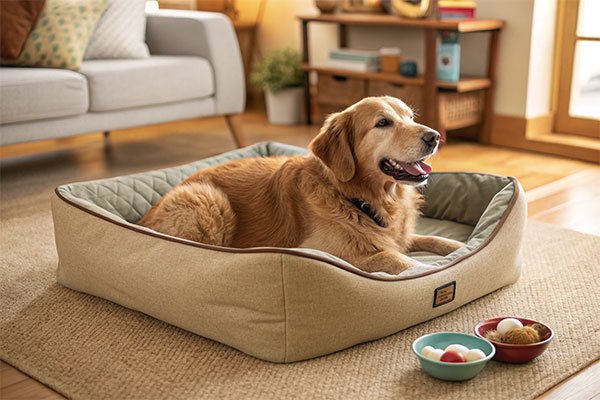
Explore the options below. This knowledge prevents costly mistakes. Choosing correctly ensures pet comfort and client satisfaction. Let’s start with the filling options.
11 types of dog bed stuffing
Confused by stuffing choices? Too many options hurt decisions. I list all major types with facts. Save time with this breakdown.
Common fillings offer unique benefits and downsides. From sponges to high-tech fibers, each suits different needs. Know these essentials before production. See details next.

Shredded Sponge
Ideal for basic beds at low cost. Easy to compress for shipping but loses shape fast. Not for heavy dogs.
| Feature | Pros | Cons |
|---|---|---|
| Support | Soft comfort | Poor structure |
| Durability | Decent initially | Compacts in months |
| Cost | Very affordable | Frequent replacement |
Affordable and lightweight, shredded sponge works for puppies. It lacks lasting power. Dogs over 30 pounds flatten it quickly. Avoid for older dogs with arthritis.
Memory Foam
Top-tier support for senior pets but heavier and costlier. Excellent pressure relief for joints.
| Feature | Pros | Cons |
|---|---|---|
| Support | Adapts to body | Slow rebound |
| Durability | Lasts years | Expensive |
| Weight | Heavy for shipping | Absorbs odors |
This medical-grade material mimics premium human products. Dogs with pain benefit most. Heat retention can be problematic. Use open-cell foam for airflow.
Spray-Bonded Cotton
Budget-friendly natural fiber option but absorbs water easily. Less common now.
| Feature | Pros | Cons |
|---|---|---|
| Eco-friendly | Biodegradable | Lumps when wet |
| Cost | Low price | Heavy moisture hold |
| Feel | Softer than cotton | Weak longevity |
A solid eco-choice for light-usage beds. Not for teething puppies or wet climates. Tends to bunch after washes. Good for marketing green labels.
Bamboo Charcoal Sponge
Odor-fighting with natural antibacterial powers. Firmer texture aids airflow.
| Feature | Pros | Cons |
|---|---|---|
| Hygiene | Resists bacteria | Tough feel initially |
| Breathability | Excellent cooling | Pricey to source |
| Sustainability | Sustainable farming | Limited suppliers |
A rising star for premium beds. Best in humid areas to fight mold. Avoid overheating issues in memory foam. Costs more but adds value.
Cool Gel Sponge
Summer favorite! Draws heat away from pets. Needs careful maintenance.
| Feature | Pros | Cons |
|---|---|---|
| Temperature | Hot climates win | Hardens below 8°C |
| Care | Removable covers | Gel leakage risk |
| Unique edge | Market differentiator | Very high cost per unit |
Great for specific breeds like huskies. Pair with washable covers. Test thoroughly for leakage before bulk orders.
Egg Crate Sponge
Wavy design maximizes airflow and support. Great for orthopedic needs.
| Feature | Pros | Cons |
|---|---|---|
| Airflow | Prevents sweat | Complex cutting adds cost |
| Support | Spine alignment | Variable quality |
| Application | Veterinary approved | Packaging bulk issue |
Fights overheating better than flat foams. Ideal for injured or senior dogs. Material waste causes price spikes. Source certified foam.
Brown PP Cotton
Recycled plastic-based. Low environmental impact but firm texture.
| Feature | Pros | Cons |
|---|---|---|
| Eco claim | Repurposed plastic | Feels synthetic |
| Structure | Holds shape well | Medium comfort |
| Price | Inexpensive | Allergy risks |
Budget pick for eco-focused retailers. Avoid allergic pets due to microfibers. Double-bag filling to reduce shedding.
7D PP Cotton Filling
Plush luxury feel with high rebound. Mimics down ethically.
| Feature | Pros | Cons |
|---|---|---|
| Comfort | Cloud-like softness | Pricier than cotton |
| Maintenance | Washable | Loses loft after washes |
| Demand | Consumer preference | Needs high volumes |
Popular in mid-range beds. Perfect for small breeds seeking snuggles. Plan for gradual breakdown around joints.
Superfine Fiber Filling
Ultra-soft non-allergenic option for sensitive pets. Premium price.
| Feature | Pros | Cons |
|---|---|---|
| Allergy-safe | Hypoallergenic | Weak pressure points |
| Marketing | "Luxury" appeal | Very high unit cost |
| Durability | Retains thickness | Requires special machinery |
Ideal for companion brands targeting urban owners. Excellent for cats. Poor joint support restricts use cases.
2D+3D PP Filling
Engineered support grid pairs spring with soft fiber.
| Feature | Pros | Cons |
|---|---|---|
| Support | Great for large dogs | Complex production |
| Cost | Mid-tier profitable | Glue bonding failure points |
| Innovation | Unique selling point | New market education |
Balances support and softness at scale. Best for 50+ pound breeds. Stress-test adhesives repeatedly.
Wire Coil Mat Filling
Industrial-strength coils from automotive seats. Indestructible for chewy pets.
| Feature | Pros | Cons |
|---|---|---|
| Durability | Survives decade+ | Rigid feel off-puts pets |
| Applications | Kennels, tough jobs | Rust if damaged |
| Profit | High lifetime value | Weight = triple shipping cost |
Select only coated springs. Pair with removable plush toppers. Avoid cold climates.
How should dog bed stuffing be chosen?
Lost in fluffy options? Misjudging stuffing leads to buyer’s remorse. Wasted money hurts your business and disappoints furry clients. Match material science to real dog needs.
Select stuffing by analyzing seven elements: dog weight, age, health conditions, climate, sleeping position, durability needs, and washability. Create checklists against this criteria before stocking beds.
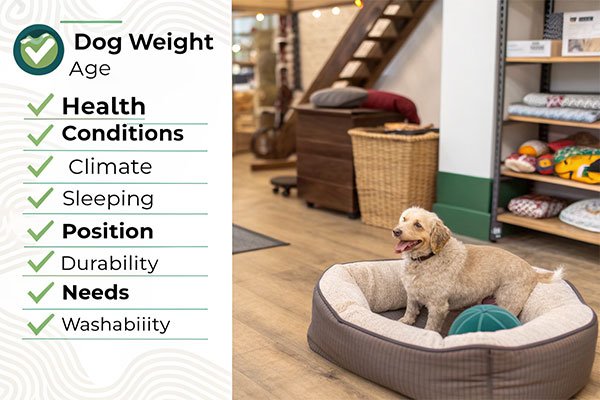
Ultimate Comparative Framework
| Filling Type | Support Level | Durability | Cooling Effect | Washability | Best Suited For | Manufacturing Considerations |
|---|---|---|---|---|---|---|
| Shredded Sponge | ★★★☆☆ | ★★★☆☆ | ★★☆☆☆ | Cover only | Budget beds, mild chewers | Density grading prevents quick packing |
| Memory Foam | ★★★★★ | ★★★★☆ | ★★☆☆☆ | Spot clean | Arthritic/senior dogs | High-density (>50kg/m³) prevents sag |
| Spray-Bonded Cotton | ★★★☆☆ | ★★★★☆ | ★★★★☆ | Machine wash | Allergy-prone dogs | Bonding agent affects moisture wicking |
| Bamboo Charcoal Sponge | ★★★★☆ | ★★★☆☆ | ★★★★☆ | Surface wipe | Odor control, humid climates | Requires airtight packaging |
| Cool Gel Sponge | ★★★★☆ | ★★★★☆ | ★★★★★ | Surface wipe | Overheated breeds (Bulldogs, Pugs) | Specialized gel injection process |
| Egg Crate Sponge | ★★★★☆ | ★★★☆☆ | ★★★☆☆ | Spot clean | Pressure point relief | Unique mold cutting adds production cost |
| Brown PP Cotton | ★★☆☆☆ | ★★☆☆☆ | ★★★☆☆ | Machine wash | Economy beds, kittens/puppies | Mass production availability |
| 7D PP Cotton Filling | ★★☆☆☆ | ★★★☆☆ | ★★★☆☆ | Machine wash | Lightweight beds | Requires vacuum compaction shipping |
| Superfine Fiber Filling | ★★☆☆☆ | ★★★☆☆ | ★★★★☆ | Machine wash | Luxury/cat beds | Static control treatment needed |
| 2D+3D PP Filling | ★★★☆☆ | ★★★☆☆ | ★★★☆☆ | Machine wash | Orthopedic-enhanced beds | Spring-back testing critical |
| Wire Coil Mat Filling | ★★★★★ | ★★★★★ | ★★★★☆ | Full hose down | Kennels/working dogs | Steel weight increases freight cost |
This comprehensive guide aids your purchasing decisions. Prioritize durability for dealers expecting high turnover. Cooling fills sell faster in tropical markets. Machine-washable fillings reduce retailer complaints. Confirm bulk lead times with suppliers. Check certification papers diligently.
What is the best filling for a dog bed?
Hundreds claimed "best" tags confuse buyers. Fact is: No universal "best" stuffing exists. Context defines success. Focus instead on breed-proven winners proven within segments.
The "best" filler balances support, comfort, and ease-of-care for your specific dog segments. Memory foam wins for orthopedics; PP cotton dominates the economy tier; gel foams lead cooling innovation.
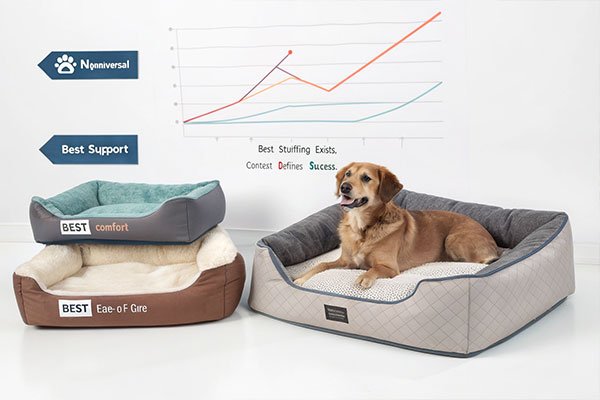
Segmenting the "Best" by Use Case
For arthritic Great Danes? High-density memory foam offers unmatched pressure relief – essential for large breed joint health. We standardize 70kg/m³ foam for serious support.
In humid markets? Bamboo charcoal gel foam cools while resisting mildew. We integrate phase-change tech into this category – absorbs heat efficiently for breeds like Huskies or Pugs prone to overheating.
For shelters needing volume? Spray-bonded cotton strikes balance. It withstands industrial washing cycles without flattening unlike cheaper PP cotton lumps. Cost-per-unit is favorable without sacrificing canine comfort.
Eco-conscious boutiques? Recycled PET fiber fill from plastic bottles appeals to green buyers. It performs near virgin PP cotton. Note compression rates before bulk contracts. Warranty length signals supplier confidence.
Conclusion
Choose dog bed fillings using science, not trends. Align material properties to pet needs and business realities. Offer ranges targeting major customer segments precisely.