跳到内容
跳到内容 
Struggling to choose materials for pet products? Wrong picks risk costly recalls, safety issues, and unhappy customers. Silicone and TPE are top contenders, but they suit different needs. Let’s settle this puzzle.
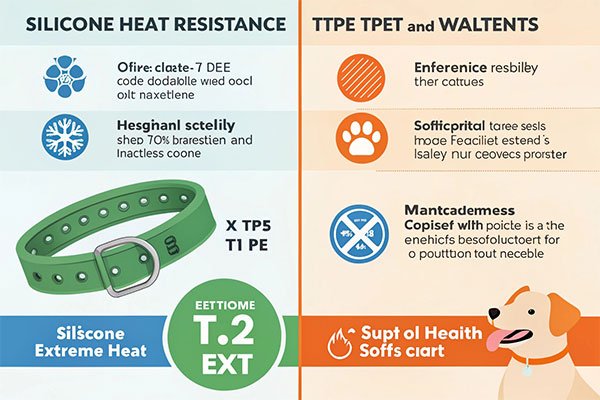
Silicone offers extreme heat resistance and inert properties, ideal for chew toys. TPE provides cost-effective softness and versatility, great for collars. Your choice depends on product use, budget, and safety priorities in manufacturing.
Material selection defines product success and safety. Getting this wrong impacts your brand trust and profits. Next, we’ll break down each material to reveal their best uses in pet products.
What is Silicone?
Ever faced warped pet bowls after washing? That’s poor material choice. Silicone solves this. This synthetic polymer offers unmatched thermal stability in pet manufacturing.
Silicone is synthetic rubber made from silica sand. It withstands -60°C to 250°C temperatures. It resists oils and UV degradation. Silicone stays flexible and non-toxic through rigorous pet use scenarios.

Key Properties and Manufacturing Value
Choosing silicone boosts product lifespan significantly. Examine these critical traits:
| Property | Performance | Business Impact |
|---|---|---|
| Heat Resistance | Stable to 250°C | Safe dishwasher cleaning; sterilizable |
| Toxicity | Food-safe (LFGB/FDA) | Avoids recalls, ideal for feeders |
| Compression Set | < 10% deformation | Maintains bowl/toy shape for years |
| Production Cost | 25%-40% higher than TPE | Warranted for premium chew items |
We manufacture silicone pet bowls that resist cracking after 5,000 dishwasher cycles. This supports your product claims and reduces warranty claims. Large retailers consistently pay premium prices for this performance reliability in feeders and dental chews. Your customers won’t accept brittle products breaking in months – silicone defends your reputation.
Applications of Silicone in Pet Products
Frustrated by stained, smelly pet gear? Silicone’s non-porous surface laughs at stains and bacteria growth. This keeps products looking new through years of rough pet use.
Silicone prevents bacterial buildup in feeding mats, bowls, and slow feeders. Its grease resistance suits lick mats and grooming tools. Medical-grade silicone is essential for implanted pet devices.

Strategic Market Applications
Expand into high-margin categories with silicone’s unique advantages:
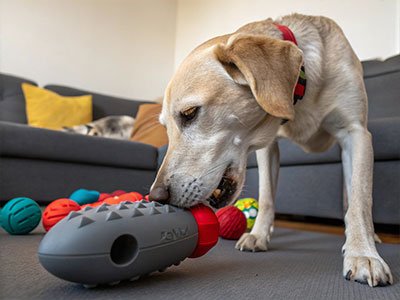
- Premium Chew Toys: Silicone handles aggressive chewers without tearing. Dental cleaning ridges hold shape longer than TPE.
- Long-Term Medical Devices: Implanted ports or catheters need biocompatibility (ISO 10993 certified).
- Heat-Intensive Accessories: Oven-safe baking mats and microwavable warmers.
We supply silicone products certified under FDA 21 CFR 177.2600 and EU Regulation 10/2011. Major EU pet brands demand these certifications. Silicone justifies its cost in durable goods where replacements destroy customer loyalty. Focus sourcing here for lifetime-value products.
What is TPE?
Watching budgets while needing flexible parts? TPE achieves rubber-like feel at plastic prices. This thermoplastic elastomer revolutionizes cost-sensitive accessory lines.
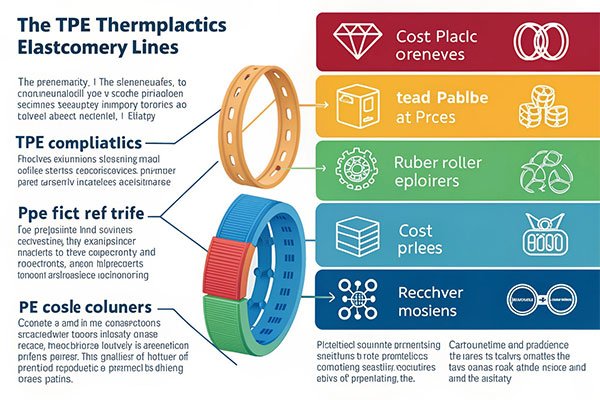
TPE blends polymers to achieve elasticity without vulcanization. It processes like plastic via injection molding. TPE recycles easily and supports vibrant color options for pet collars or toy lines.
Production Advantages & Cost Analysis
TPE lowers your entry barriers in competitive segments:
| Factor | TPE Advantage | Impact on Your Business |
|---|---|---|
| Tooling Cost | 30% lower than silicone | Faster ROI for new SKUs |
| Cycle Time | 45-60 seconds | Higher daily output volume |
| Eco-Certifications | Easier REACH/SVHC compliance | EU market compliance cheaper |
| Custom Hardness | 20A – 90A Shore | Tailor leash handles or squeakers |
In mass-market toys and leashes, TPE margins outperform silicone by 15-20%. We optimize TPE grades for pet product specifics: ensuring no phthalates in chew toys (tested per EN 71), and UV resistance for outdoor items. Use it cost-effectively where extreme durability isn’t the lead selling point.
Application of TPE in Pet Products
Seeking splashy designs that hook impulse buyers? TPE’s molding versatility creates intricate, budget-friendly accessories. This stimulates repeat orders from mid-tier retailers.
TPE excels in lightweight collars, bone handles, bumper toys, and pet apparel trim. It offers soft touch textures for puppy toys while meeting toy safety standards affordably.

Profit-Driving Product Categories
Target high-volume items where silicone is overkill:
- Seasonal & Promotional Goods: Festive collars or event giveaways needing rapid, low-cost turns.
- Replacement Components: Modular beds with removable, washable TPE covers.
- Non-Food Contact Items: Waste bag holders, harness padding, carrier handles.
Our TPE formulations for pet gear pass CPSIA (USA) and LFAR (France) testing. Retailers like Petco source vibrant puzzle toys from us using injection-molded TPE parts. Use TPE when your launch requires under 60-day lead times and price points below $12.99 MSRP. We maintain color consistency across batches – vital for your brand recognition.
How to Choose?
Choosing poorly means recalls or eroded margins. Ignore material hype—match properties to use case realities instead.
Prioritize silicone for heat, chemical, or safety-critical uses (feeders/medical gear). Opt for TPE in cost-driven flexible accessories without extreme demands (toys/collars). Prototype both.
Strategic Prioritization Matrix
Consider our 5-point checklist when deciding:
| Decision Driver | Choose Silicone When… | Choose TPE When… |
|---|---|---|
| End-Use Temperature | Autoclaving/dishwasher needed | Indoor/ambient use only |
| Budget Constraints | Premium pricing justified | Mass-market distribution target |
| Regulatory Needs | Food/medical contact required | Toy/external contact compliant |
| Aesthetic Flexibility | Simple colors/textures | Complex shapes/bright colors |
| Sustainability Goal | Long lifespan critical | Recyclability prioritized |
Test materials with accelerated aging (7 days @ 70°C simulates 1 year). We conduct trials showing silicone bowls retain elasticity 3× longer than TPE in heat cycles. However, TPE collars last 4 years outdoors with UV stabilizers at 40% lower cost. Bring your specific product brief—we optimize blends to extend lifespan or trim material expenses.
Comparison of Silicone and TPE
Misinformation causes expensive pivot in later production stages. Hard data prevents this waste.
Silicone beats TPE in temperature range (-60°C to 250°C vs. -40°C to 120°C) and chemical inertness. TPE offers better elongation and lower costs. Both meet non-toxicity standards when properly formulated.

Technical & Commercial Breakdown
Evaluate critical differences shaping your product integrity:
Material Fatigue Resistance
After 500,000 flex cycles (simulating 5 years of chewing):
- Silicone retains >85% tensile strength
- TPE hardens, losing 30–50% elasticity
Supply Chain Stability
- Medical-grade silicone faces volatile pricing; maintain 6-month stock buffers
- TPE raw materials have 98% availability; no allocation risks
Recycling & Compliance
| Aspect | Silicone | TPE |
|---|---|---|
| Recycled Content Use | Limited (<10%) | Up to 30% feasible |
| BPA/Phthalate Risks | None inherent | Requires formulation audits |
| Microplastic Shedding | Zero | Low risk in Shore >70A |
We verify silicone’s USP Class VI compliance for pet medical OEMs—essential for FDA-submitted items. For eco-brands, TPE’s recyclability supports circular economy claims. Know your priority: unmatched durability (silicone) versus cost/eco design (TPE). Partner early to validate specs against real-world pet behaviors.
Choose silicone for safety-critical premium items; opt for TPE for scalable everyday accessories. Partner with experts to validate your requirements.