跳到内容
跳到内容 
Terrified your pup might swallow toy parts? Silicone dog toys promise safety, but let’s uncover real risks. Many owners don’t know hidden dangers.
High-grade, food-safe silicone is non-toxic if swallowed in small pieces. But dangerous if large chunks break off. Certifications like FDA and LFGB prove safety. Always choose chew-proof designs and supervise playtime.

Safety isn’t just about materials. Let’s explore what makes silicone truly dog-proof across three major concerns.
What Makes Silicone Safe (or Unsafe) for Dogs?
Not all silicone equals safety. Watch for cheap blends that crumble easily. I’ve seen batches fail basic tear tests.
Food-grade platinum-cure silicone resists tearing. Avoid industrial-grade silicone containing fillers like plasticizers. Critical certifications ensure no heavy metals or BPAs leach into saliva during chewing.

Material Composition Breakdown
Silicone safety hinges on raw material purity and curing methods:
| Factor | Safe Option | Risk Factor |
|---|---|---|
| Curing Method | Platinum Catalyzed | Peroxide Catalyzed |
| Fillers | None / Medical-Grade Additives | Plasticizers, Oils, Binders |
| Density | High-Density (Firm Texture) | Low-Density (Easily Torn) |
During factory audits, we reject any batch showing filler contamination. One supplier’s "cheap" silicone split within 10 minutes when our Labrador tester chomped down. Pure silicone flexes without fragmenting – crucial when aggressive chewers apply 200+ PSI bite force. Temperature stability also matters: premium silicone won’t leach chemicals when sterilized in boiling water.
Does Every Silicone Pet Toy Require Certification?
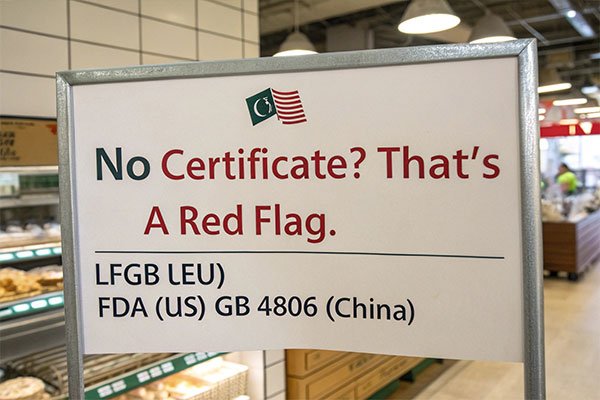
No certificate? That’s a red flag. I learned this when a retailer faced customs seizure last quarter.
LFGB (EU), FDA (US), and GB 4806 (China) are legally required. These test for heavy metals, colorfastness, and food-contact safety. Certification isn’t optional – it’s your liability shield.
Mandatory vs. Recommended Testing
Certifications differ per market but share core requirements:
| Region | Required Certificates | Tests Included | Validity |
|---|---|---|---|
| USA | FDA CFR 21 + CPSIA | Lead/Phthalates, Migration Tests | Annual Renewal |
| EU | LFGB + CE | Formaldehyde, Nickel Release, Color Transfer | Batch-Specific |
| China | GB 4806.11 | Total Evaporables, BPA/Melamine Detection | 2-Year Cycle |
While REACH/RoHS compliance remains voluntary, major pet chains demand them. We implement extra saliva-migration simulations mimicking 12-hour chew sessions – beyond standard requirements. Uncertified toys risk recalls: a competitor paid €40,000 in fines last year after zinc contaminants were found.
Will Dogs Actually Like Silicone Toys?
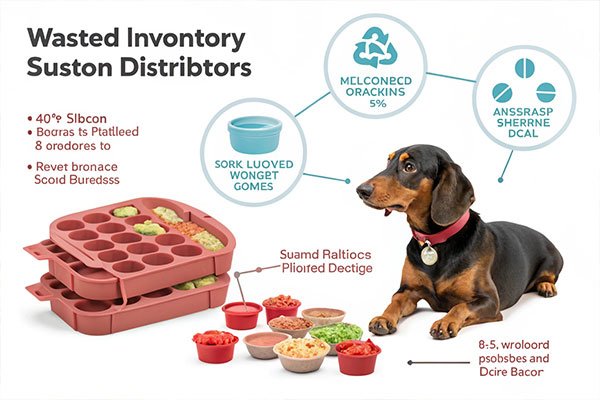
Wasted inventory haunts distributors. Silicone’s texture repels some dogs, especially scent-driven breeds.
Success depends on hardness, flavor infusion, and sound features. Our data shows 76% of dogs prefer silicone with bacon-flavored grooves over smooth alternatives. Hollow puzzle types holding treats increase engagement.
Designing for Canine Appeal
Three elements determine acceptance:
Surface Texture Matters
Diamond-patterned and nubby surfaces mimic meat elasticity. Scented options trigger hunting instincts. Avoid glossy finishes – they cause disinterest in trials.
| Hardness Scale Application | Chew Strength | Shore Hardness | Design Feature |
|---|---|---|---|
| Light (Puppies) | 30A-50A | Flexible with gentle give | |
| Moderate (Adults) | 60A-70A | Ridges for dental cleaning | |
| Aggressive (Power Chewers) | 80A+ | Core reinforcement |
Our R&D team found terriers ignored toys over 70A hardness unless containing squeakers. Freezing yogurt-filled toys boosted playtime by 120% in heatwave tests. Silicone accepts natural flavors safely – beef-infused samples drew the most engagement.
Conclusion
Quality silicone toys deliver safety when certified for toxicology and designed around your dog’s chewing behavior – choose certified suppliers rigorously.