跳到内容
跳到内容 
Cats are agile creatures, and their safety often rests on seemingly small details. It’s surprising how something as simple as a collar can be crucial.
Properly fitting a cat collar means preventing injury and ensuring identification if your feline friend gets lost. This essential aspect of pet care balances comfort with necessity.
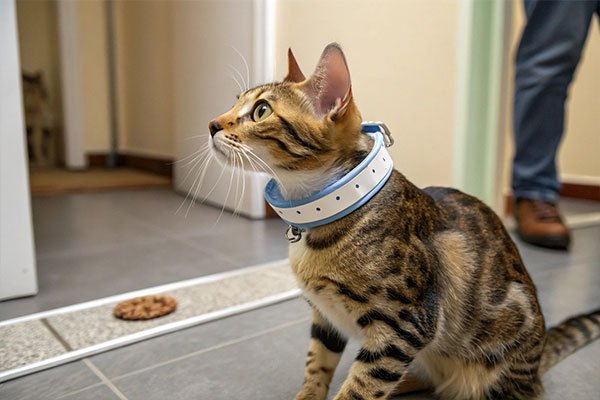
A correctly fitted collar might seem trivial, but it is critical for safety and identification. Let’s explore why.
Why a Proper Fit Matters?
Cat collars might seem decorative, yet they serve crucial purposes. An ill-fitting collar can lead to problems.
Collars that fit well prevent choking and provide a safety hatch for outdoor-loving felines. They ensure identification tags remain with your cat, aiding in its return if it roams.
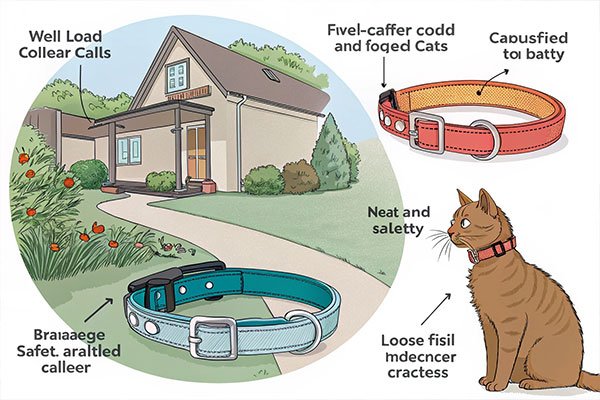
Dive Deeper: The Risks of a Poor Fit
A collar too tight constrains breathing and movement, causing stress or injury. A loose one could catch on objects, leading to accidents. The balance is in safety and allowing natural cat agility.
| Fit Type | Potential Issue | Safety Consideration |
|---|---|---|
| Too Tight | Restricts breathing, causes discomfort | Check two-finger space regularly |
| Too Loose | Risk of getting caught or slipping off | Ensure a snug fit, not slipping |
How to Ensure a Proper Fit?
Measuring a cat for a collar involves more than just wrapping a tape measure around their neck. There’s a technique to it.
Use a cloth tape measure, allowing room for two fingers between the collar and your cat’s neck. Check and adjust if needed, especially in growing cats.
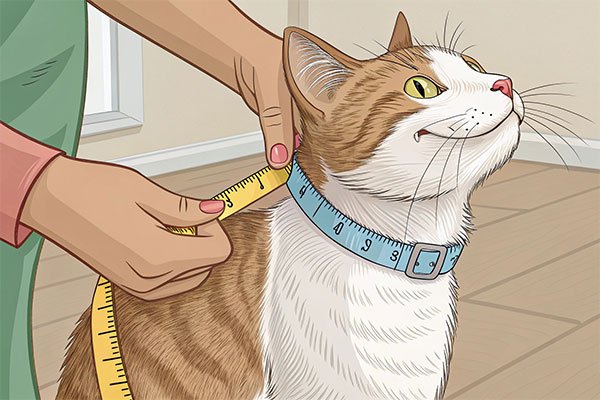
Dive Deeper: Tips for Accurate Measurement
Measure from the base of the neck, accounting for fur thickness. Ensure the collar slides easily but fits comfortably without pressure points. Consistent checks reduce risks of outgrowing collars.
| Step | Description |
|---|---|
| Use Cloth Tape | More accurate and easy on the cat’s fur |
| Two-Finger Rule | Gauges appropriate snugness |
| Periodic Check | Children’s growth requires regular updates |
Important Warnings?
Not all collars are made equal. Some could even endanger your pet if improperly used.
Be cautious with breakaway buckles and materials. Ensure your cat can escape easily if the collar gets caught on something. Safety should never be compromised.
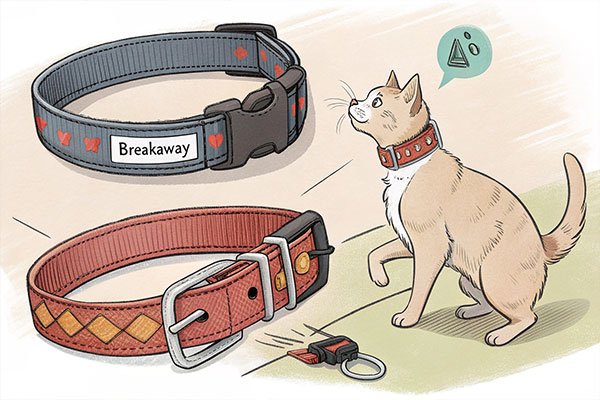
Dive Deeper: Evaluating Collar Safety Features
Breakaway buckles reduce the risk of strangulation. Opt for materials that do not irritate the skin. Testing the buckle’s ease of release ensures emergency safety.
| Feature | Benefit |
|---|---|
| Breakaway Buckle | Releases under pressure to prevent choking |
| Non-Irritating Material | Reduces skin allergies and discomfort |
| Reflective Elements | Adds visibility during low-light conditions |
Added Benefit?
A well-fitted collar is not only about safety; it can also have surprising bonuses.
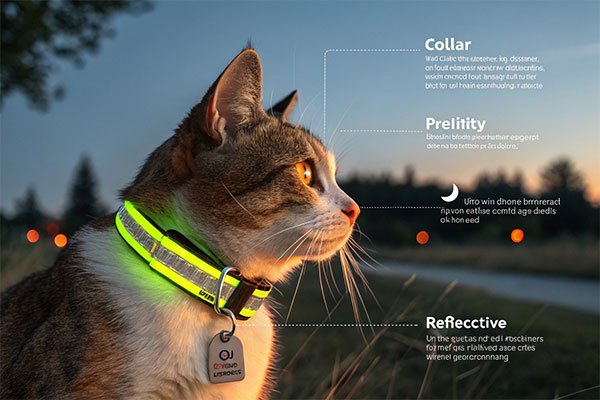
Collars with tags enable lost pets’ quick returns, sometimes including GPS trackers. Reflective collars enhance visibility during night activities.
Dive Deeper: Exploring Added Benefits
Tags with contact info are lifesavers. GPS and RFID technologies in collars offer location tracking, providing peace of mind. Reflective strips or materials bolster nighttime visibility.
| Added Benefit | Description |
|---|---|
| ID Tags | Ensures rapid owner contact if lost |
| GPS Devices | Tracks cat’s location effectively |
| Reflective Material | Enhances nighttime safety |
The Importance of a Properly Fitting Cat Harness?
Harnesses provide an alternative way to control and protect your cat. Their fit is even more critical than collars.
Harnesses distribute pressure more evenly across the body. This design decreases the risk of injury during walks or sudden movements.
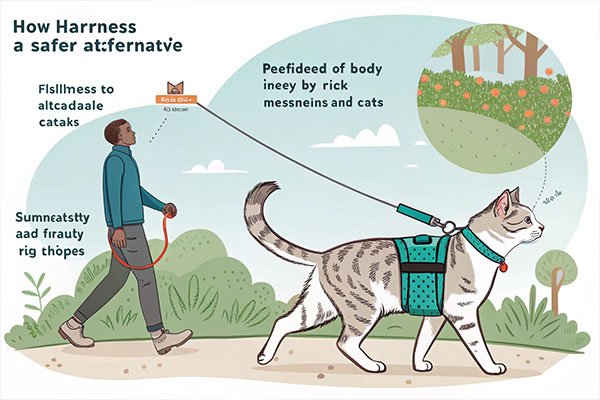
Cats can escape from poorly fitting harnesses, necessitating careful consideration of fit and design to ensure safety.
Why a Proper Fit Matters?
Just like collars, a harness needs to fit well to serve its purpose. A misfit may lead to injury or escapes.
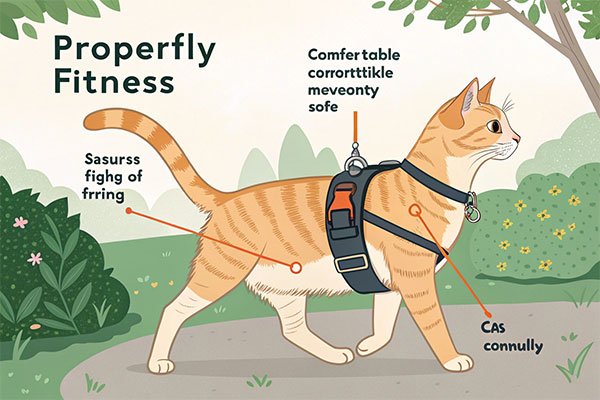
A snug-fitting harness prevents escapes and injuries. It allows your cat freedom while ensuring control and safety during outdoor exploration.
Dive Deeper: Critical Aspects of Harness Fit
Harnesses should sit snugly without restricting movement. Watch for areas that chafe or apply too much pressure. Balance fit with adjustability for a growing cat or seasonal coat changes.
| Critical Aspect | Consideration |
|---|---|
| Snug Fit | Prevents escapes, reduces chafing |
| Adjustability | Allows growth, fur changes |
| Pressure Points | Avoid pressure on sensitive areas |
How to Measure Your Cat?
Harnesses require multi-point measurements for a secure fit. Here’s how to do it right.
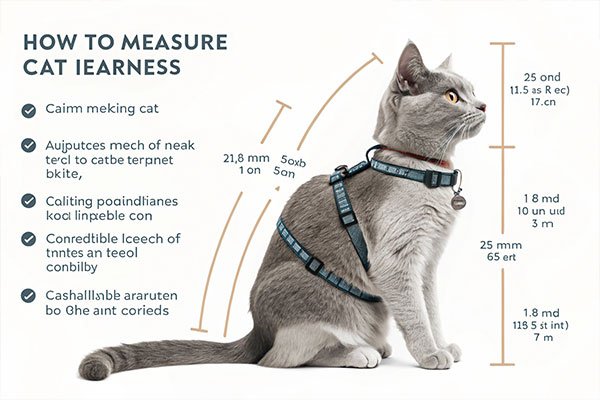
Measure the neck and chest, allowing one finger’s width. Check manufacturer guidelines as they vary. Ensure adjustability to fine-tune the fit.
Dive Deeper: Comprehensive Measurement Guidelines
Measure around the widest part of the chest. Consider neck size for padded areas. Anticipate restrictions from fur and weight changes. Always check adjustability when fitting.
| Measurement Point | Purpose |
|---|---|
| Chest Measurement | Ensures snug fit, prevents sliding |
| Neck Measurement | Important for proper harness position |
| Adjustable Straps | Provide fit flexibility |
Tips for Buying the Right Harness?
The market offers many harness designs. Finding the best one requires due diligence.
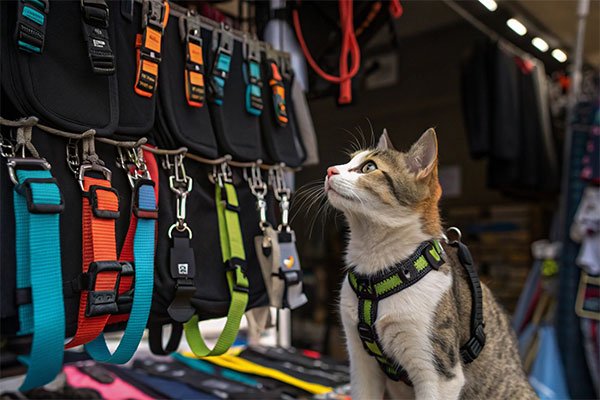
Choose harnesses made of lightweight, breathable materials. Consider the ease of use and escape-proof designs. Reflective material is a bonus for low-light conditions.
Dive Deeper: Evaluating Harness Options
Assess lightweight, durable materials for all-day wear. Look for easy-release buckles and effective security features. Bonus features like reflective stripes enhance safety during dim hours.
| Consideration | Benefit |
|---|---|
| Lightweight Material | Comfort and reduced stress |
| Easy-release Buckle | Facilitates quick fitting |
| Reflective Features | Boosts visibility at night |
In conclusion, the right fit for both collars and harnesses is crucial for a cat’s safety and comfort. Ensuring a secure fit reduces the risk of accidents and improves overall well-being.